

Cloud storage offers a convenient way to store and access data online. It has become essential for businesses and individuals alike.
Cloud storage provides a secure, scalable solution for data management. Unlike traditional storage methods, cloud storage allows access from anywhere with an internet connection. This flexibility is crucial in today’s fast-paced world. Companies can save costs on physical storage and maintenance.
Individuals benefit from easy file sharing and backups. Plus, advanced security measures protect sensitive information. Understanding cloud storage features and benefits helps make informed decisions. This guide will explore key aspects, making cloud storage clear and accessible for everyone. Stay with us as we delve into its numerous advantages.
Credit: www.docupile.com
Introduction To Cloud Storage
In today’s digital age, businesses and individuals generate vast amounts of data. Storing this data securely and accessing it easily are crucial. Cloud storage offers a solution. It provides a secure, scalable, and cost-effective way to manage data. Let’s explore its features and benefits.
What Is Cloud Storage?
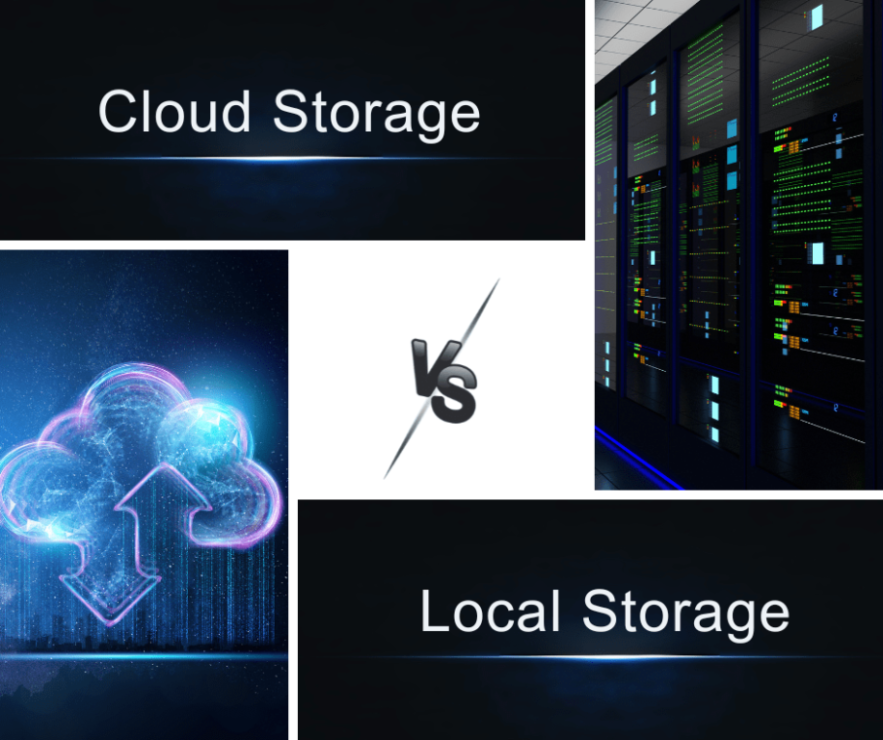
Cloud storage is a service that stores data on remote servers. These servers are maintained by a cloud provider. Users can access their data via the internet. This eliminates the need for physical storage devices.
Users can upload, retrieve, and manage their data seamlessly. Cloud storage is flexible. You can scale storage needs up or down based on demand. It’s also cost-effective. You only pay for what you use.
Importance In Modern Business
Cloud storage plays a vital role in modern business. It enhances collaboration. Team members can access and share files in real-time. This boosts productivity and efficiency.
Data security is another key benefit. Cloud providers invest heavily in security measures. This ensures your data is protected from breaches. They also offer backup and disaster recovery options. This minimizes data loss risks.
Cloud storage reduces costs. Businesses save on hardware and maintenance expenses. They also benefit from predictable pricing models. This helps in better budget management.
Scalability is a major advantage. As your business grows, so do your storage needs. Cloud storage can easily accommodate this growth. There’s no need for significant upfront investments.
Key Features
Cloud storage offers several key features that make it a go-to solution for individuals and businesses alike. Let’s explore some of the most important features that set cloud storage apart.
Scalability
One of the greatest benefits of cloud storage is its scalability. You can easily increase or decrease your storage needs without hassle. This flexibility helps you manage your data efficiently and economically.
Here’s a quick look at how scalability can benefit you:
- Cost-effective: Pay only for the storage you use.
- Adaptable: Adjust storage size based on your requirements.
- Future-proof: Easily scale up as your data grows.
Accessibility
Cloud storage makes your data accessible from anywhere at any time. You only need an internet connection. This feature is especially useful for remote work and collaboration.
Consider these points:
- Remote Access: Access files from any device.
- Collaboration: Share files easily with team members.
- Convenience: No need to carry physical storage devices.
Data Syncing
Data syncing ensures that your files are always up-to-date across all devices. This feature eliminates the need for manual updates and reduces the risk of losing important data.
Key advantages of data syncing include:
- Real-time Updates: Changes are saved immediately.
- Consistency: Ensure all users have the latest version.
- Backup: Automatic syncing acts as a backup.
Security Measures
Cloud storage offers many benefits, but security is a top concern. Ensuring your data is safe is critical. Let’s delve into three key security measures: encryption, access controls, and compliance standards.
Encryption
Encryption scrambles your data. Only authorized users can read it. This protects your data from hackers. It is vital for sensitive information. Many cloud storage providers use strong encryption methods. This ensures your data remains private.
Access Controls
Access controls manage who can view or edit your data. You can set different permissions for different users. This limits data exposure. Only trusted people can access your important files. This reduces the risk of data breaches.
Compliance Standards
Many industries have strict data security rules. Cloud storage providers often comply with these standards. This ensures your data meets legal requirements. It also shows that the provider values security. Look for providers with certifications. This adds an extra layer of trust.
Cost Efficiency
Cost Efficiency is a significant advantage of cloud storage. Companies seek to minimize expenses while maximizing efficiency. Cloud storage offers a variety of features that help achieve these goals. Below, we discuss two key aspects of cost efficiency: the Pay-as-You-Go Model and Reduced IT Costs.
Pay-as-you-go Model
The Pay-as-You-Go Model allows businesses to pay only for the storage they use. This eliminates the need for large upfront investments in hardware. Businesses can scale their storage needs up or down based on demand. This flexibility leads to significant cost savings. Companies avoid over-provisioning and underutilization of resources.
With this model, users can also manage their budgets more effectively. They can predict expenses based on their usage patterns. This helps in planning and avoiding unexpected costs. The pay-as-you-go model is particularly beneficial for startups and small businesses. They can start small and expand as needed without financial strain.
Reduced It Costs
Cloud storage reduces the need for physical servers and data centers. This results in lower maintenance and operational costs. Companies no longer need to invest in expensive hardware. They also save on energy costs associated with running and cooling servers.
IT staff can focus on more strategic tasks. They no longer need to handle routine maintenance and upgrades. This results in increased productivity and efficiency. Cloud service providers handle backups, security, and updates. This further reduces the burden on internal IT teams.
| Cost Factor | Cloud Storage |
|---|---|
| Initial Investment | Low |
| Maintenance Costs | Low |
| Scalability | High |
| Energy Costs | Low |
In summary, cloud storage’s cost efficiency is driven by the pay-as-you-go model and reduced IT costs. These features make cloud storage an attractive option for businesses of all sizes.
Data Backup
Data backup is essential for protecting your information. Cloud storage offers a reliable solution. It ensures your data remains safe and accessible. Traditional backup methods can be time-consuming and prone to errors. Cloud storage simplifies the process. It provides multiple features to keep your data secure and recoverable.
Automated Backups
Automated backups are a key feature of cloud storage. They save time and reduce human error. With automated backups, your data gets saved at regular intervals. You don’t need to remember to back up your files. The system does it for you. This ensures that your latest data is always protected.
You can set the frequency of these backups. Choose daily, weekly, or even hourly backups. This flexibility allows you to match your backup schedule to your needs. Automated backups offer peace of mind. You know your data is always secure and up-to-date.
Disaster Recovery
Disaster recovery is another crucial aspect of data backup. Cloud storage provides efficient disaster recovery solutions. In case of a system failure, your data remains accessible. This minimizes downtime and keeps your operations running smoothly.
Cloud storage services store your data in multiple locations. If one server fails, another one takes over. This redundancy ensures your data is safe from physical disasters. Fire, floods, or hardware failures won’t compromise your information. Cloud storage guarantees quick data recovery. You can resume your activities with minimal interruption.
Credit: www.bitcatcha.com
Collaboration Tools
Collaboration tools in cloud storage have made teamwork effortless. They allow multiple users to work on the same document. This enhances productivity and streamlines the workflow. Let’s delve into some key features of these collaboration tools.
File Sharing
Cloud storage simplifies file sharing. Users can easily send files to others. It eliminates the need for email attachments. This saves time and reduces the chance of errors. Shared files can be accessed from any device. This is very convenient for remote teams.
Real-time Editing
Real-time editing is a powerful feature. Multiple users can edit a document at the same time. Changes are seen instantly by all users. This ensures everyone is on the same page. It reduces the risk of version conflicts. Real-time editing is perfect for collaborative projects.
Integration Capabilities
Cloud storage offers various integration capabilities that make it versatile. These integrations simplify tasks and improve productivity. They allow users to connect cloud storage with other tools and applications they use daily. This section explores two main integration features: Third-Party Apps and APIs.
Third-party Apps
Third-party apps enhance the functionality of cloud storage. They connect with cloud storage services to streamline workflows. Here are some key benefits:
- Seamless Collaboration: Tools like Slack and Trello integrate directly with cloud storage. This makes sharing and editing files easier.
- Enhanced Productivity: Integrations with office suites like Microsoft 365 or Google Workspace allow real-time document editing and sharing.
- Automated Workflows: Services like Zapier automate repetitive tasks. For example, automatically saving email attachments to cloud storage.
These integrations save time and reduce manual efforts.
Apis
APIs, or Application Programming Interfaces, are essential for advanced integrations. They allow developers to create custom solutions. Key benefits include:
- Customization: APIs enable tailored solutions to fit specific business needs.
- Scalability: They support scalable integration with other software and services.
- Improved Efficiency: APIs automate data transfer between cloud storage and other systems.
APIs make cloud storage more flexible and adaptable. They open up numerous possibilities for businesses.
Future Trends
Cloud storage is rapidly evolving. Emerging technologies are driving this evolution. Understanding future trends is essential for staying ahead. These innovations promise to enhance efficiency and security.
Ai And Machine Learning
AI and Machine Learning are transforming cloud storage. They enable intelligent data management. AI can automate data organization and retrieval. This reduces manual effort.
Machine Learning improves data security. It detects anomalies and potential threats. AI-driven analytics provide insights for better decision-making.
Benefits:
- Automated data classification
- Enhanced security through anomaly detection
- Actionable insights from data analytics
Edge Computing
Edge Computing brings data processing closer to the source. This reduces latency and improves performance. It is crucial for real-time applications.
Edge Computing enhances cloud storage by distributing workloads. This leads to better resource utilization. It also reduces bandwidth usage.
Benefits:
- Lower latency for real-time applications
- Improved resource utilization
- Reduced bandwidth consumption
In conclusion, AI, Machine Learning, and Edge Computing are shaping the future of cloud storage. These trends offer numerous benefits. Embracing them is key to staying competitive.

Frequently Asked Questions
What Is Cloud Storage?
Cloud storage allows you to save data online securely. It offers scalability, accessibility, and data protection.
How Does Cloud Storage Work?
Cloud storage works by storing data on remote servers. Users can access this data via the internet.
What Are The Benefits Of Cloud Storage?
Cloud storage offers scalability, data protection, and remote access. It reduces costs and enhances collaboration.
Is Cloud Storage Secure?
Yes, cloud storage is secure. Providers use encryption and other security measures to protect your data.
Conclusion
Cloud storage offers many benefits for users. It provides easy access and sharing. Data stays safe with strong security measures. Storage scales with your needs. Costs remain low and predictable. Collaboration becomes seamless and efficient. Cloud storage is a smart choice for personal and business use.
Embrace the convenience and flexibility it brings. Explore your options today.