

“Esim Vs Physical Sim”
Are you torn between choosing an eSIM or a physical SIM for your next device? This decision might seem simple, but it can drastically affect how you stay connected every day.
Imagine activating your phone’s internet without visiting a store or swapping tiny cards. Sounds convenient, right? That’s exactly what an eSIM offers—flexibility, security, and ease—all built right into your device. On the other hand, physical SIMs have been around forever and still hold strong advantages, especially if you use older phones or prefer a straightforward swap when upgrading. Want to discover which option fits your lifestyle perfectly? Keep reading to uncover the key differences and why an eSIM might just be the upgrade you didn’t know you needed. Ready to experience seamless connectivity? Check out esimcards—the internet that starts the moment you need it. No SIM card, no store visits. Just scan, activate, and stay connected effortlessly.

Credit: microesim.com
Introduction To Esim And Physical Sim
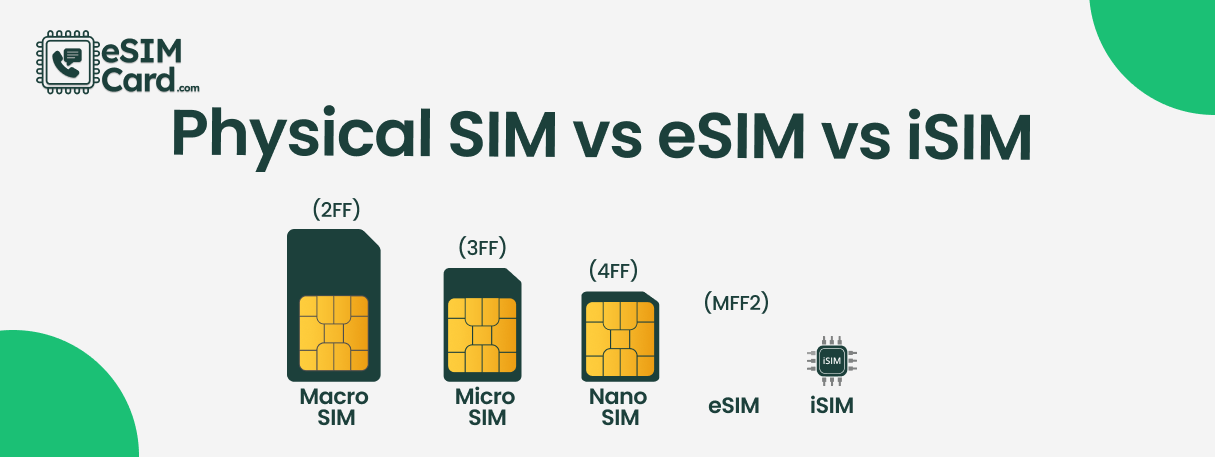
Mobile connectivity relies heavily on SIM technology. SIM cards connect your device to a mobile network. Two main types exist today: physical SIM cards and the newer eSIM. Understanding both helps choose the right option for your device and lifestyle.
Overview Of Sim Technology And Its Role In Mobile Connectivity
SIM stands for Subscriber Identity Module. It stores data needed to identify and authenticate your phone on a network. This allows calls, texts, and internet access.
SIM technology enables:
- Network access and authentication
- Storage of subscriber data
- Switching between carriers or plans
- Secure mobile communication
Without a SIM, mobile devices cannot connect to cellular networks.
Definition And Purpose Of Physical Sim Cards
A physical SIM card is a small, removable chip inserted into your phone. It holds your mobile identity and carrier information.
Key purposes of physical SIM cards include:
- Connecting your device to a mobile network
- Allowing easy transfer of service by moving the card
- Supporting a wide range of devices, including older models
Physical SIMs are easy to swap but require handling and space inside the phone.
Introduction To Esim Technology And Its Evolution
An eSIM is an embedded SIM chip built into your device. It eliminates the need for a physical card.
eSIM technology has evolved to offer:
- Remote activation and switching of carriers via software
- Space-saving design inside mobile devices
- Improved security by reducing physical tampering risks
Modern devices support eSIMs to simplify mobile connectivity. Activation happens by scanning a QR code or downloading a profile.
| Feature | Physical SIM | eSIM |
|---|---|---|
| Physical form | Removable card | Built-in chip |
| Activation | Insert card manually | Remote via QR code or app |
| Device compatibility | Older and new devices | Newer devices only |
| Space usage | Consumes slot space | Frees up internal space |
| Switching carriers | Requires new card | Switch in settings |
Credit: www.genspark.ai
Key Features Of Esim
The eSIM offers several features that improve the mobile experience. It replaces the traditional physical SIM card with a digital alternative. These features make eSIMs stand out in terms of ease, security, and device design.
Convenience: Remote Carrier Switching Without Physical Cards
With an eSIM, switching carriers or plans is simple and fast. You do not need a physical card or a visit to the store.
- Activate new plans by scanning a QR code or using device settings.
- Change carriers instantly without waiting for delivery.
- Manage multiple plans directly from your device.
Space-saving Design: Embedded Sim Freeing Device Space
An eSIM is built into the device’s motherboard. This design saves space inside smartphones, tablets, and wearables.
Device makers use this extra space to:
- Include bigger batteries.
- Add new hardware features.
- Make devices thinner and lighter.
Enhanced Security: Reduced Risk Of Loss And Remote Deactivation
Because the eSIM is embedded, it cannot be lost or stolen like a physical SIM card.
Security benefits include:
- Protection against SIM card theft or swapping.
- Remote deactivation by carriers in case of loss or theft.
- Fewer chances of physical damage.
Flexibility: Multiple Carrier Profiles On A Single Device
eSIMs allow storing several carrier profiles on one device. Users can switch between them easily.
| Feature | Benefit |
|---|---|
| Multiple profiles | Use different carriers for work and personal use. |
| Global use | Add local carriers when traveling without swapping SIM cards. |
| Plan management | Choose the best plan for data, calls, or texts anytime. |
The eSIM is a smart choice for users wanting flexibility, security, and ease.
Key Features Of Physical Sim
Physical SIM cards have been the standard for mobile connectivity for years. They offer simple, reliable use across many devices without complex setup. Their tangible nature brings unique advantages that keep them relevant in many scenarios.
Broad Device Compatibility Including Older And Budget Models
Physical SIM cards work with almost all mobile devices.
- Support for older phones: Many older devices lack eSIM support.
- Budget-friendly models: These often only accept physical SIM cards.
- Universal design: Physical SIM fits in a wide range of phone sizes—standard, micro, and nano.
This broad compatibility ensures users can connect without worrying about device restrictions.
Ease Of Transfer: Simple Physical Swapping Between Devices
Switching devices with a physical SIM is quick and straightforward.
- Remove the SIM card from the current phone.
- Insert it into the new device’s SIM slot.
- Power on the new device to start using the network.
No software setup or internet connection is needed to transfer service.
No Internet Required For Activation And Use
Physical SIM cards activate without internet access.
- Insert the SIM into the device.
- The device reads the SIM’s network credentials automatically.
- Users get immediate network access without online steps.
This makes physical SIMs ideal in places with limited or no internet connectivity.
Pricing And Affordability Comparison
Choosing between an eSIM and a physical SIM often depends on cost factors. These include the device price, carrier plans, and extra fees. Understanding these elements helps pick the most affordable option for your needs.
Cost Considerations For Devices Supporting Esim Vs Physical Sim
Devices with eSIM support usually cost slightly more. This is because eSIM technology is newer and built into the phone’s hardware. Physical SIM devices are often less expensive and more common.
Here is a quick comparison:
| Device Type | Average Price Range | Notes |
|---|---|---|
| eSIM-compatible Phones | $400 – $1200 | Newer models, embedded eSIM chip |
| Physical SIM Phones | $100 – $800 | Widely available, older models supported |
Carrier Plan Pricing Differences Related To Sim Type
Carrier prices rarely differ between eSIM and physical SIM plans. Most providers offer the same rates for data and voice services.
Key points:
- Plan costs stay consistent regardless of SIM type.
- Some carriers offer special promotions for eSIM activation.
- Flexibility to switch plans quickly with eSIM may save money over time.
Potential Hidden Costs: Activation Fees And Device Upgrades
Extra costs may appear in the form of activation fees. Both SIM types can have these fees, but eSIM activation is often free or cheaper.
Device upgrades can add cost too:
- Upgrading to an eSIM-compatible phone can be expensive.
- Physical SIM users can save by using older or budget phones.
- Switching carriers with eSIM avoids the cost of buying new SIM cards.
Activation fees and device upgrade costs impact overall affordability.
Pros And Cons Based On Real-world Usage
Choosing between an eSIM and a physical SIM depends on daily needs and device use. Both have clear strengths and drawbacks that affect user experience. Understanding these helps pick the best option for seamless mobile connectivity.
Advantages Of Esim: Convenience, Security, And Multi-profile Support
- Convenience: Activate and switch carriers remotely without visiting stores.
- Security: Embedded inside devices, harder to remove or steal.
- Multi-profile support: Store several plans on one eSIM and switch instantly.
eSIMs simplify managing multiple carriers or travel plans in one device. No physical card swaps needed.
Disadvantages Of Esim: Device Compatibility, Activation Complexity, Internet Dependency
- Device compatibility: Only newer devices support eSIM technology.
- Activation complexity: Setup can require scanning QR codes or using apps.
- Internet dependency: Requires internet access to download or switch profiles.
Older phones cannot use eSIMs. Activation steps may confuse some users. No internet means no profile changes.
Advantages Of Physical Sim: Simplicity, Wide Compatibility, No Internet Needed
- Simplicity: Insert the SIM card and start using immediately.
- Wide compatibility: Works with almost all mobile devices worldwide.
- No internet needed: Activation and use do not require internet connection.
Physical SIMs fit all ages and skill levels. Easy to swap between phones without online setup.
Disadvantages Of Physical Sim: Physical Vulnerability And Limited Flexibility
- Physical vulnerability: Cards can be lost, damaged, or stolen easily.
- Limited flexibility: Switching carriers requires swapping SIM cards manually.
Physical SIMs risk damage and theft. Changing plans means handling tiny cards often.
Ideal Users And Usage Scenarios
Choosing between an eSIM and a physical SIM depends on user needs and device compatibility. Both have clear advantages for different lifestyles and technology levels. Understanding who benefits most from each type helps in making the right choice.
Who Benefits Most From Esim Technology: Frequent Travelers And Tech-savvy Users
Frequent travelers find eSIMs highly convenient. They can switch between local carriers without buying new SIM cards. This saves time and money on roaming charges.
Tech-savvy users enjoy the flexibility of managing multiple plans on one device. Activating or changing carriers happens instantly through device settings. No physical swaps needed.
- Remote activation saves visits to stores.
- Switch carriers with a few taps.
- Space-saving design frees device slots.
- Enhanced security with less chance of physical card loss.
Best Use Cases For Physical Sim: Users With Older Devices And Limited Internet Access
Users with older phones benefit from physical SIMs as many older models do not support eSIM technology. Physical SIM cards ensure compatibility without hardware upgrades.
People with limited internet access find physical SIMs easier to use. eSIM activation requires internet, which may not be available everywhere.
- Simple transfer between phones by moving the SIM card.
- Works without internet connection for activation.
- Broad compatibility across all mobile devices.
Considerations For Switching Between Sim Types Based On Lifestyle And Device
Switching between eSIM and physical SIM depends on device support and personal habits. A newer phone with eSIM capability suits dynamic users.
Those who change devices often or use older models might prefer physical SIMs for easy swapping.
| Factor | eSIM | Physical SIM |
|---|---|---|
| Device compatibility | Requires newer devices | Works with most devices, old and new |
| Activation method | Online activation via scan or settings | Manual insertion of SIM card |
| Switching carriers | Instant, no physical card needed | Requires swapping SIM cards |
| Internet access needed | Yes, for activation and switching | No, works offline |
Choosing the right SIM type improves connectivity and convenience. Visit esimcards for easy eSIM activation. Internet starts the moment you need it, with no physical card hassle.
Conclusion: Choosing Between Esim And Physical Sim
Selecting between an eSIM and a physical SIM depends on your device, lifestyle, and connectivity needs. Both have unique features that suit different users. Understanding their differences helps in making a smart choice.
Summary Of Key Differences And Benefits
| Feature | eSIM | Physical SIM |
|---|---|---|
| Activation | Remote activation via scanning QR code | Requires physical card insertion and store visit |
| Convenience | Switch carriers or plans easily in device settings | Manual card swapping needed for carrier change |
| Device Compatibility | Needs newer devices with eSIM support | Works with almost all phones, including older models |
| Space | Embedded, saves device internal space | Physical slot occupies device space |
| Security | Enhanced security with remote management | Physical card can be lost or stolen |
Guidance On Making The Right Choice For Your Connectivity Needs
Choose eSIM if you want quick activation and easy carrier switching. It suits travelers and tech-savvy users. Use physical SIM for older phones or where internet access is limited.
- Pick eSIM for fewer store visits and less hassle.
- Choose physical SIM if you prefer simple card swaps.
- Consider device compatibility before deciding.
- Think about your travel and data plan needs.
Future Trends In Sim Technology And What To Expect
SIM technology is moving toward full digital integration. Expect more devices to support eSIM soon. Carriers will offer easier remote activation and multiple profiles on one device.
- Wider adoption of eSIM in smartphones and wearables.
- Improved security and faster carrier switching.
- More flexible plans with multiple eSIM profiles.
- Reduction of physical SIM use globally.
Visit esimcards to explore easy eSIM activation and start your instant internet connection.

Credit: www.ultramobile.com
Frequently Asked Questions
Is An Esim Better Than A Physical Sim?
An eSIM offers convenience, saves space, and enhances security with remote activation. Physical SIMs suit older devices and easy transfers without internet.
What Are The Disadvantages Of Esim?
ESIMs face limited device and carrier compatibility. They require internet for activation and complicate switching devices. Transferring is less straightforward than physical SIMs.
Is It Better To Buy A Sim Card Or Esim?
ESIMs offer convenience, space-saving, and remote carrier switching. Physical SIMs suit older devices, easy transfers, and no internet activation. Choose based on device compatibility and personal needs.
Is It Better To Get An Esim Or Local Sim?
An eSIM offers convenience, remote activation, and multiple profiles but needs newer devices and internet. A local SIM suits older phones, easy transfers, and works without internet. Choose based on device compatibility and usage needs.
Conclusion
Choosing between an eSIM and a physical SIM depends on your needs. ESIMs offer easy activation and save device space. They allow quick carrier changes without swapping cards. Physical SIMs work well with older phones and need no internet to activate. They are simple to transfer between devices. For seamless internet access anytime, consider using esimcards. This service lets you scan, activate, and stay connected without visiting a store. Both options have strengths; pick what fits your lifestyle best.