

A skills gap occurs when there is a difference between the skills employers need and the skills job seekers have. This gap can affect productivity and growth in various industries.
Understanding the skills gap is essential for businesses and individuals. For companies, it means finding ways to train and upskill employees. For job seekers, it highlights the importance of continuous learning and adapting to market demands. This blog will explore the causes and effects of the skills gap, and suggest ways to bridge it.
Whether you’re an employer or an employee, recognizing and addressing this gap can lead to better opportunities and success. Let’s dive into the factors contributing to the skills gap and how to overcome them.

Credit: www.talentlms.com
What Is The Skills Gap?
The skills gap is a pressing issue affecting many industries. It refers to the difference between the skills employers need and the skills workers have. This gap can lead to unfilled jobs and lower productivity. Understanding the skills gap is crucial for improving workforce development and economic growth.
Current Workforce Trends
Today, several trends highlight the skills gap. Rapid technological advancements mean new skills are in demand. Employers often find it hard to hire workers with the necessary expertise. This skills mismatch impacts various sectors, including technology, healthcare, and manufacturing. Here are some key points:
- Technological Change: Automation and AI are reshaping job roles. Workers need new skills to keep up.
- Aging Workforce: Many skilled workers are retiring. Replacing their expertise is challenging.
- Training and Education: There’s a growing need for ongoing professional development. Traditional education may not cover current job market needs.
These trends show why investing in workforce development is essential. Companies need to focus on training programs to bridge the skills gap. This includes both technical skills and soft skills.
| Trend | Impact |
|---|---|
| Technological Change | Increased demand for new skills |
| Aging Workforce | Loss of experienced workers |
| Training and Education | Need for updated programs |
By understanding these trends, businesses can better prepare. They can create strategies for talent acquisition and development. This can reduce the skills shortage in the labor market.
Historical Context
The skills gap is not a new phenomenon. It has roots in past employment trends. During the industrial revolution, new machines required different skills. Workers had to adapt to new technologies. This created a demand for specific training and education.
In the 20th century, the rise of the service industry changed job requirements again. Professional development became important. Workers needed new skills to meet the demands of a growing economy. The skills mismatch became evident as industries evolved.
In recent decades, the digital revolution has accelerated the skills gap. Jobs in IT, data analysis, and cybersecurity require specialized skills. Many workers find it hard to keep up with these changes. This has a significant economic impact.
Job market analysis shows that industries with rapid technological changes face the largest gaps. Historical data helps us understand why the skills gap persists. It also shows the importance of adapting workforce development strategies over time.
Understanding historical context helps us learn from past mistakes. It shows the need for flexible training programs. This can help reduce the skills shortage and prepare the workforce for future challenges.

Credit: www.chieflearningofficer.com
Causes Of The Skills Gap
The skills gap is a critical issue affecting the job market today. Many businesses struggle to find workers with the right skills. Understanding the causes of the skills gap can help us address this problem. Below, we explore some key factors contributing to the skills gap.
Rapid Technological Change
Technology evolves quickly. New tools and systems appear almost daily. This rapid change outpaces the ability of many workers to adapt.
Businesses adopt new technologies to stay competitive. Employees must keep up with these advancements. This can be challenging.
- Automation: More tasks are automated, reducing the need for certain manual jobs.
- Artificial Intelligence (AI): AI technologies require specialized knowledge.
- Software Updates: Frequent updates demand continuous learning.
Workforce development programs aim to bridge this gap. These include:
| Initiative | Description |
|---|---|
| Upskilling Initiatives | Programs to enhance current employees’ skills. |
| Employee Training Programs | Focused training on new technologies. |
Businesses must invest in such programs. This helps workers stay relevant. It also meets industry demands.
Education System Challenges
The education system often struggles to keep pace with job market trends. Traditional curriculums may not align with current industry needs.
Several factors contribute to this misalignment:
- Outdated Curriculum: Many schools use old teaching materials.
- Lack of Practical Experience: Students lack hands-on learning opportunities.
- Limited Industry Collaboration: Schools and industries rarely work together.
Educational reform is necessary. Competency-based education focuses on skills rather than time spent in class. This approach aligns better with job market needs.
Skills gap analysis can identify areas needing improvement. It helps align education with workforce demands. Continuous learning is also crucial. Lifelong learning keeps skills up-to-date.
By addressing these challenges, we can better prepare students for the job market. This reduces the talent shortage and meets the demands of modern industries.
Impact On Industries
The skills gap affects many industries today. This gap occurs when the skills that workers possess do not match the skills that employers need. The impact of the skills gap on industries is profound. It affects economic growth, workforce development, and the overall health of various sectors. Understanding these impacts can help in addressing the challenges posed by this gap.
Economic Consequences
The skills gap has significant economic consequences. It can slow down economic growth and reduce productivity. Businesses struggle to find the right talent, leading to delays in production and services.
Key economic impacts include:
- Increased costs for talent acquisition and training.
- Reduced competitiveness in global markets.
- Decreased innovation and technological advancement.
- Higher unemployment rates due to mismatched skills.
Many companies invest heavily in education and training to bridge this gap. This investment is crucial for workforce development. Yet, it can strain financial resources and reduce profit margins.
The following table outlines some economic consequences of the skills gap:
| Economic Impact | Description |
|---|---|
| Increased Recruitment Costs | Higher expenses in finding and hiring skilled workers. |
| Lower Productivity | Delays and inefficiencies due to unskilled labor. |
| Reduced Innovation | Limited ability to innovate due to lack of skilled personnel. |
| Global Competitiveness | Challenges in competing with international markets. |
Sector-specific Effects
The skills gap affects different industries in unique ways. Each sector faces its own set of challenges based on its specific needs and demands.
In technology, there is a high demand for advanced vocational skills. The shortage of skilled IT professionals leads to unfilled positions and project delays. Companies often invest in specialized training programs to meet industry demand.
In healthcare, the skills gap affects patient care and service delivery. The need for specialized medical professionals is growing. This gap can lead to longer wait times and reduced quality of care.
Manufacturing faces a shortage of skilled technicians and engineers. This impacts production efficiency and quality control. Workforce development programs and partnerships with educational institutions are essential in this sector.
Construction also experiences a significant skills shortage. The industry struggles to find skilled labor for complex projects. This shortage affects project timelines and increases costs.
Here are some sector-specific effects of the skills gap:
- Technology: Unfilled IT positions, delayed projects, need for advanced skills.
- Healthcare: Shortage of medical professionals, longer wait times, quality of care issues.
- Manufacturing: Lack of technicians and engineers, production delays, quality control problems.
- Construction: Insufficient skilled labor, extended project timelines, higher costs.
Addressing these sector-specific effects requires targeted solutions. Collaboration between industry leaders and educational institutions is key. Investing in vocational training and education can help close the skills gap.
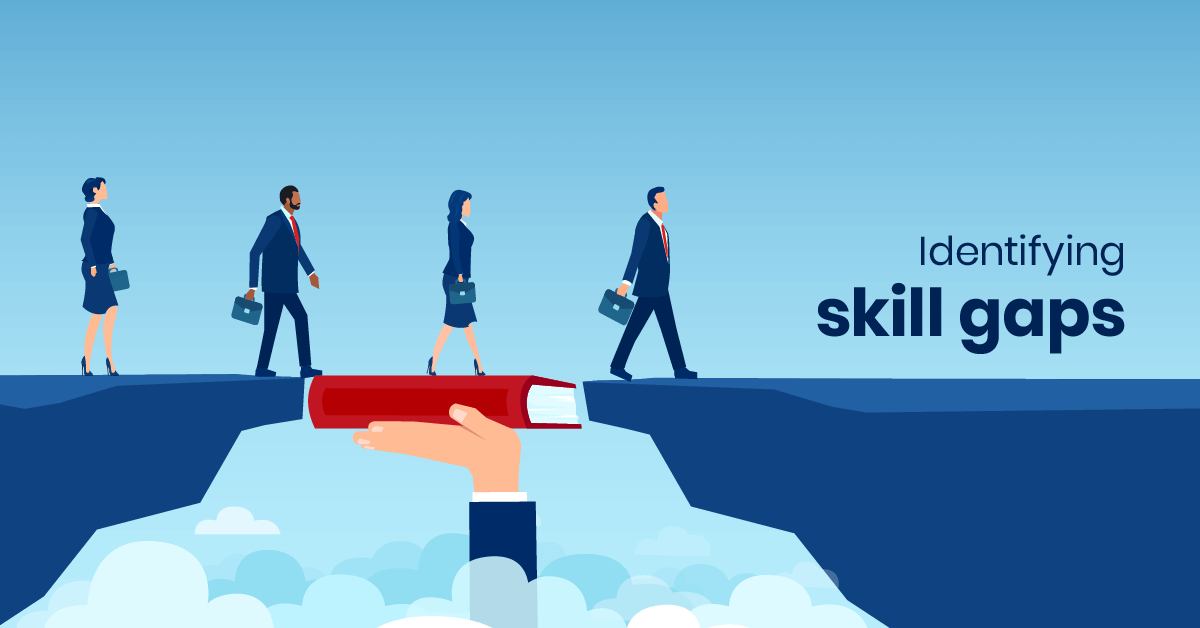
Identifying The Skills Gap
Identifying the skills gap is crucial for businesses aiming to stay competitive. It involves recognizing the difference between the skills required for a job and the actual skills employees possess. Addressing this gap helps in improving employee performance, ensuring better talent acquisition, and fostering professional development.
Assessment Tools
Assessment tools are essential in identifying the skills gap within an organization. These tools provide a clear picture of the current competency levels of employees and highlight areas needing improvement. Below are some common assessment tools used to identify skills gaps:
- Skills Assessment Tests: These tests evaluate an individual’s abilities in specific areas. They can be technical, cognitive, or soft skills assessments.
- Performance Reviews: Regular performance reviews help managers understand employee strengths and weaknesses, revealing competency gaps.
- 360-Degree Feedback: This tool collects feedback from an employee’s peers, subordinates, and supervisors. It offers a comprehensive view of their skills and areas for development.
- Employee Surveys: Surveys can gather self-assessed data from employees about their skills and professional development needs.
- Job Market Analysis: Analyzing labor market trends helps in understanding the skills in demand and comparing them with the current workforce skills.
Using these tools, organizations can create effective workforce training programs. This helps in upskilling and reskilling employees, ensuring they meet the current and future demands of the job market. A well-trained workforce leads to improved employee performance and higher productivity.
Employer Insights
Employers play a critical role in identifying and addressing skills gaps. Their insights are invaluable in shaping skills development strategies. Here are some ways employers can contribute:
- Regular Feedback: Employers should provide regular feedback to employees. This helps in identifying areas where employees need improvement.
- Job Market Analysis: Keeping an eye on labor market trends helps employers understand the evolving skill requirements. This allows them to adjust training programs accordingly.
- Competency Mapping: Employers can use competency mapping to align the skills of their workforce with the job requirements. This helps in identifying skills gaps and planning reskilling initiatives.
- Professional Development Programs: Investing in professional development programs ensures continuous learning and skills enhancement. This keeps the workforce up-to-date with industry standards.
- Talent Acquisition Strategies: Employers can refine their talent acquisition strategies to hire individuals with the necessary skills. This reduces the skills gap from the outset.
Employers’ insights help in developing targeted workforce training programs. This ensures employees are equipped with the skills needed to perform their jobs effectively. Addressing the skills gap not only improves employee performance but also enhances overall organizational efficiency.
Bridging The Gap
The skills gap is a growing concern in many industries. It refers to the difference between the skills employers need and the skills that job seekers possess. Bridging the gap is crucial for economic growth and individual career advancement. This process involves various strategies, including effective training programs and partnerships with educational institutions.
Training Programs
Effective training programs are vital for bridging the skills gap. These programs focus on skills development and competency-based training. They help employees gain the necessary skills for their jobs. Here are some key elements of successful training programs:
- Upskilling: This involves teaching new skills to current employees. It helps them stay relevant in a changing job market.
- Reskilling: This focuses on training employees for different roles within the company. It is essential for career advancement.
- Professional Development: Ongoing training helps employees grow in their careers. It includes workshops, seminars, and online courses.
Companies can also use labor market analysis to identify the most needed skills. They can then tailor their training programs accordingly. This ensures that employees are prepared for the demands of the job market.
| Training Type | Focus | Benefit |
|---|---|---|
| Upskilling | New Skills | Relevance in Job Market |
| Reskilling | Different Roles | Career Advancement |
| Professional Development | Ongoing Growth | Enhanced Competency |
By investing in comprehensive training programs, companies can improve talent acquisition and retention. Employees feel valued and are more likely to stay with the company.
Partnerships With Educational Institutions
Educational partnerships play a significant role in bridging the skills gap. These partnerships involve collaboration between companies and schools or universities. They ensure that the curriculum aligns with industry needs. Here are some benefits of these partnerships:
- Workforce Training: Schools can offer specialized courses that focus on skills development. This prepares students for the job market.
- Internship Programs: Students gain practical experience through internships. This makes them job-ready upon graduation.
- Competency-Based Training: Educational institutions can provide training that meets industry standards. This ensures that graduates have the necessary competencies.
Companies can also participate in career fairs and mentorship programs. These activities help students understand industry expectations. They also provide networking opportunities, which are crucial for job placement.
| Partnership Activity | Focus | Benefit |
|---|---|---|
| Workforce Training | Specialized Courses | Job Market Preparedness |
| Internship Programs | Practical Experience | Job Readiness |
| Mentorship Programs | Industry Expectations | Networking Opportunities |
Through these partnerships, educational institutions can adjust their programs based on industry feedback. This ensures that students are learning relevant and valuable skills. Educational partnerships also help companies by creating a pipeline of skilled workers ready for employment.
Credit: www.efrontlearning.com
Role Of Employers
Employers play a crucial role in addressing the skills gap. They must invest in their workforce to ensure employees have the necessary skills. By focusing on development and retention, employers can bridge the gap and create a more skilled workforce.
Workforce Development Initiatives
Employers can implement various workforce development initiatives to address the skills gap. These initiatives help employees gain new skills and improve existing ones. This, in turn, enhances overall productivity and efficiency within the organization.
Key initiatives include:
- Employee Development Programs: These programs focus on continuous learning and professional growth. Employees can participate in workshops, seminars, and online courses.
- Upskilling Programs: Upskilling helps employees learn new skills relevant to their current roles. This can include technical skills, soft skills, or industry-specific knowledge.
- Workforce Training: Regular training sessions ensure employees stay updated with the latest trends and technologies in their field.
Employers can also use skills assessment tools to identify areas where employees need improvement. These assessments help create personalized development plans. Employers can then track progress and adjust training as needed.
Here is a table summarizing some key workforce development initiatives:
| Initiative | Description |
|---|---|
| Employee Development Programs | Continuous learning and professional growth through workshops, seminars, and courses. |
| Upskilling Programs | Learning new skills relevant to current roles, including technical and soft skills. |
| Workforce Training | Regular training sessions to stay updated with industry trends and technologies. |
Talent Retention Strategies
Retaining talent is just as important as developing it. Employers need to adopt effective talent retention strategies to keep skilled employees engaged and motivated.
Some effective strategies include:
- Career Advancement Opportunities: Providing clear paths for career growth helps employees see a future within the company. This can include promotions, lateral moves, and leadership roles.
- Employee Engagement: Engaged employees are more likely to stay. Employers can boost engagement through regular feedback, recognition programs, and a positive work environment.
- Competitive Compensation and Benefits: Offering fair pay and benefits helps retain top talent. This includes health insurance, retirement plans, and performance bonuses.
- Organizational Development: Creating a supportive and inclusive culture where employees feel valued and heard.
Employers should also stay informed about labor market trends to understand what competitors are offering. This helps in adjusting their own strategies to stay competitive.
By focusing on talent acquisition and retention, employers can reduce the impact of skills shortage and build a more resilient workforce.
Future Outlook
The skills gap is a growing concern in many industries. As technology evolves, new demands for skills emerge. This shift leaves many workers unprepared. The future outlook of the skills gap shows how critical it is to stay ahead of the curve. Understanding future trends can help bridge this gap.
Emerging Skills Demand
Industry demands are always changing. New technologies and processes require new skills. The demand for digital skills is rising fast. These include:
- Data analysis
- Cybersecurity
- Artificial Intelligence (AI)
- Machine Learning (ML)
- Cloud Computing
Employee training programs focus on these areas. Professional development is key. Workers need to adapt to new roles. The labor market dynamics show a clear trend. Technology is at the forefront. Talent acquisition teams look for candidates with these skills.
Soft skills are also in demand. These include:
- Communication
- Problem-solving
- Teamwork
- Adaptability
These skills are important for all industries. They help in workforce development. They enhance job performance. Skill enhancement programs should focus on both technical and soft skills. This balanced approach prepares workers for future challenges.
Predictions For Workforce Evolution
The job market trends show a shift. More jobs will require advanced skills. Basic tasks are becoming automated. This change impacts many sectors. The skills shortage will grow if workers do not adapt.
Here are some predictions for the future:
| Sector | Future Skills |
|---|---|
| Healthcare | Telemedicine, Health Informatics |
| Finance | Fintech, Blockchain |
| Manufacturing | Robotics, IoT |
| Education | EdTech, Online Learning Platforms |
Workforce development will need to evolve. Companies will invest more in employee training. Job market trends will dictate professional development needs. Workers must be proactive. They should seek out learning opportunities. This will help them stay relevant.
Industry demands will continue to grow. Workers must be prepared. Talent acquisition strategies will change. Companies will look for future-ready skills. This will create a competitive edge in the labor market dynamics.
Case Studies
The skills gap is a pressing issue impacting many industries. It refers to the difference between the skills required for a job and the skills employees actually possess. Bridging this gap is crucial for companies to stay competitive and efficient. Case studies provide real-world examples of how organizations address this issue. They showcase the strategies and programs that have proven effective in closing the skills gap.
Successful Interventions
Many companies have implemented successful interventions to address the skills gap. These interventions often include a mix of workforce development, upskilling, and reskilling programs. For instance, Company A launched a comprehensive employee training program focused on skill enhancement. The program included:
- Technical workshops
- Soft skills training
- On-the-job mentoring
This approach not only improved employees’ competencies but also boosted their confidence. The program led to a 20% increase in productivity.
Another example is Company B, which partnered with local educational institutions for professional development. They offered tailored courses aligned with the company’s needs. This collaboration helped bridge the competency gap by providing employees with relevant and up-to-date knowledge. The result was a more skilled workforce, ready to tackle new challenges.
Moreover, Company C focused on reskilling programs for employees looking to transition into new roles. They provided online courses and certifications in emerging fields. This strategy helped mitigate the talent shortage by preparing the existing workforce for future demands.
| Company | Intervention | Outcome |
|---|---|---|
| Company A | Employee Training | 20% Productivity Increase |
| Company B | Educational Initiatives | Skilled Workforce |
| Company C | Reskilling Programs | Talent Shortage Mitigated |
Lessons From Leading Companies
Leading companies have valuable lessons to share about addressing the skills gap. First, they emphasize the importance of ongoing workforce development. Continuous learning and development ensure employees stay current with labor market trends. For example, Company D invests heavily in upskilling initiatives. Their strategy includes:
- Regular training sessions
- Access to online learning platforms
- Support for professional certifications
This commitment to continuous improvement has led to a highly adaptable workforce.
Company E demonstrates the importance of aligning training programs with business goals. They conduct regular assessments to identify competency gaps and tailor their training accordingly. This targeted approach ensures that employees acquire the skills most needed by the company. As a result, Company E has seen significant improvements in project outcomes and customer satisfaction.
Another key lesson is the value of employee engagement in training programs. Company F involves employees in designing their development plans. This collaborative approach ensures that training is relevant and engaging. Employees feel invested in their growth, leading to higher retention rates and job satisfaction.
These case studies highlight that addressing the skills gap requires a multifaceted approach. Companies that invest in skill enhancement and align their training with business needs see the best results.
Frequently Asked Questions
What Is A Skills Gap?
A skills gap is the difference between the skills required and those possessed by employees. It hinders productivity and growth.
Why Does A Skills Gap Occur?
Skills gaps occur due to technological advancements, changing job requirements, and lack of proper training. They affect workforce efficiency.
How To Identify A Skills Gap?
Identify skills gaps through assessments, performance reviews, and feedback. Compare existing skills with job requirements.
How To Address A Skills Gap?
Address skills gaps with targeted training, upskilling programs, and continuous learning opportunities. Encourage lifelong learning.
Conclusion
Closing the skills gap is crucial for business success. Invest in employee training. Encourage lifelong learning. Support skill development programs. Collaboration with educational institutions can help. Upskilling benefits both employers and workers. A skilled workforce drives growth. Addressing this gap ensures a competitive edge.
Begin today. Small steps make a big difference.