

Leadership skills are essential in today’s fast-paced world. They can shape careers and drive success.
Effective leadership is about more than just giving orders. It’s about inspiring and guiding a team toward a common goal. Good leaders build trust, communicate clearly, and make decisions confidently. These skills are not just for managers or CEOs. Everyone can benefit from developing leadership abilities.
Whether you’re leading a project at work, organizing a community event, or even managing a household, strong leadership skills make a difference. They help you navigate challenges, motivate others, and achieve your objectives. So, what exactly makes a great leader? Let’s explore the key qualities and skills that define effective leadership.
Core Leadership Traits
Leadership skills are essential for guiding a team towards success. Among these skills, core leadership traits stand out as the foundation. Understanding and developing these traits can help anyone become a better leader. Let’s explore some of these essential traits.
Integrity And Trust
Integrity and trust are the cornerstones of effective leadership. Without these, a leader cannot build a strong, cohesive team. Integrity means doing the right thing, even when no one is watching. It involves being honest, ethical, and consistent in actions and decisions.
Trust, on the other hand, is earned through actions over time. A leader who consistently demonstrates integrity will naturally build trust with their team. Here are some ways to develop integrity and trust:
- Be honest: Always tell the truth, even if it’s difficult.
- Keep promises: Follow through on commitments.
- Admit mistakes: Own up to errors and learn from them.
- Be consistent: Apply the same standards to yourself and others.
Creating a culture of trust also involves transparency. Share information openly and involve your team in decision-making. This fosters a sense of ownership and accountability.
Let’s look at a comparison between leaders with and without integrity:
| With Integrity | Without Integrity |
|---|---|
| Earns respect | Loses credibility |
| Builds strong teams | Creates division |
| Fosters loyalty | Encourages distrust |
Emotional Intelligence
Emotional intelligence (EI) is another critical leadership trait. It involves understanding and managing your own emotions, as well as recognizing and influencing the emotions of others. Leaders with high EI can navigate social complexities and build stronger relationships.
Key components of emotional intelligence include:
- Self-awareness: Recognize your emotions and their impact on others.
- Self-regulation: Control your emotions and reactions.
- Motivation: Stay driven and focused on goals.
- Empathy: Understand and share the feelings of others.
- Social skills: Build and maintain positive relationships.
Developing emotional intelligence can improve communication and conflict resolution. Here are some tips to enhance EI:
- Practice active listening: Pay full attention to the speaker and respond thoughtfully.
- Reflect on emotions: Take time to understand your feelings before reacting.
- Seek feedback: Ask others for their perspectives on your behavior.
- Develop empathy: Try to see situations from others’ viewpoints.
Leaders with high emotional intelligence can create a positive work environment. They inspire confidence, foster collaboration, and drive team success.
Effective Communication
Effective communication is a crucial leadership skill. Leaders must convey ideas clearly and listen attentively. It builds trust and ensures everyone is on the same page. Let’s dive into two key aspects: active listening and clear messaging.
Active Listening
Active listening means fully concentrating on the speaker. It’s not just about hearing words. It’s about understanding the message behind them. Good leaders practice active listening. This helps them make better decisions and resolve conflicts.
Here are some tips for active listening:
- Maintain eye contact. It shows you are engaged.
- Nod occasionally. It signals that you are following along.
- Avoid interrupting. Let the speaker finish their thoughts.
- Ask questions. Clarify points that are unclear.
Active listening also involves observing body language. Non-verbal cues can reveal a lot. For example, crossed arms might indicate discomfort. Smiling can show agreement. Pay attention to these signals.
Active listening benefits:
| Benefit | Explanation |
|---|---|
| Builds Trust | People feel valued when listened to. |
| Improves Understanding | Ensures clear grasp of issues discussed. |
| Enhances Collaboration | Fosters a cooperative environment. |
Active listening is a skill that can be developed. Practice it daily. Over time, it will become second nature.
Clear Messaging
Clear messaging is another essential leadership skill. It involves conveying ideas in a straightforward manner. This prevents misunderstandings and ensures everyone knows their roles.
Steps to create clear messages:
- Know your audience. Tailor your message to their level of understanding.
- Be concise. Use short sentences and simple words.
- Stay on topic. Avoid unnecessary details.
- Provide examples. They help illustrate your points.
- Use visuals. Charts and graphs can make complex ideas easier to grasp.
Clear messaging helps in various situations:
- Team Meetings: Keeps discussions focused and productive.
- Emails: Ensures messages are read and understood.
- Presentations: Engages the audience and conveys key points.
Effective leaders practice clear messaging regularly. They review their communications. They ask for feedback to ensure clarity. This continuous improvement leads to better team performance.
Remember, clear messaging is not just about speaking. It’s also about writing. Whether it’s an email or a report, clarity is key. Keep messages simple and to the point.
Decision-making Skills
Leadership skills are essential for guiding teams and achieving goals. One key aspect of effective leadership is decision-making skills. Leaders face numerous choices daily, and the ability to make informed decisions is crucial. Decision-making skills involve evaluating options, considering outcomes, and selecting the best course of action.
Analytical Thinking
Analytical thinking is vital for decision-making. It involves breaking down complex problems into smaller, manageable parts. Leaders use analytical thinking to understand issues deeply and identify potential solutions.
Key aspects of analytical thinking include:
- Data Analysis: Reviewing data to identify trends and patterns.
- Logical Reasoning: Drawing conclusions based on evidence and logic.
- Problem Solving: Finding effective solutions to challenges.
Analytical thinking helps leaders make decisions based on facts rather than assumptions. It improves the accuracy and effectiveness of their choices.
Consider the following table that outlines steps in analytical thinking:
| Step | Description |
|---|---|
| Identify the Problem | Clearly define the issue at hand. |
| Gather Information | Collect relevant data and facts. |
| Analyze Data | Examine the information to find patterns. |
| Develop Solutions | Generate potential solutions based on analysis. |
| Evaluate Options | Weigh the pros and cons of each solution. |
| Make a Decision | Select the best solution and act on it. |
Using these steps, leaders can improve their analytical thinking and make better decisions.
Risk Assessment
Risk assessment is another critical component of decision-making. It involves identifying potential risks and evaluating their impact. Leaders must consider both the likelihood and consequences of risks.
Key elements of risk assessment include:
- Risk Identification: Recognizing potential risks that may affect outcomes.
- Risk Analysis: Evaluating the probability and impact of each risk.
- Risk Mitigation: Developing strategies to reduce or manage risks.
Effective risk assessment helps leaders make informed decisions by understanding potential pitfalls.
Here is a table summarizing the risk assessment process:
| Step | Description |
|---|---|
| Identify Risks | List potential risks related to the decision. |
| Analyze Risks | Determine the likelihood and impact of each risk. |
| Evaluate Risks | Prioritize risks based on their severity. |
| Develop Mitigation Plans | Create strategies to manage or reduce risks. |
| Monitor and Review | Continuously monitor risks and adjust plans as needed. |
By performing risk assessment, leaders can anticipate challenges and make better decisions. This proactive approach ensures that they are prepared for potential issues and can address them effectively.

Credit: blog.acesence.com
Team Building Techniques
Effective leadership skills are crucial in any organization. One of the most important aspects is team building techniques. These techniques help create a strong, cohesive team that works well together. Strong teams lead to better productivity and higher morale. Let’s explore some key strategies.
Fostering Collaboration
Collaboration is key in any successful team. Fostering collaboration means creating an environment where team members can work together effectively. Here are some methods to achieve this:
- Open Communication: Encourage open dialogue among team members. This helps share ideas and solve problems together.
- Shared Goals: Ensure everyone understands and works towards common objectives. This aligns efforts and boosts teamwork.
- Team Activities: Organize activities that require teamwork. These can be as simple as group discussions or as elaborate as team-building exercises.
- Use of Technology: Utilize collaboration tools like Slack, Trello, or Microsoft Teams. These tools make it easy to share information and stay connected.
Creating a collaborative environment also involves recognizing and valuing each team member’s input. When people feel valued, they are more likely to contribute actively.
Consider the following table for tools that aid in fostering collaboration:
| Tool | Purpose |
|---|---|
| Slack | Communication and file sharing |
| Trello | Project management and task tracking |
| Microsoft Teams | Video meetings and collaboration |
Conflict Resolution
Conflict is inevitable in any team. Effective conflict resolution skills are essential for maintaining harmony and productivity. Here are some techniques to manage conflict:
- Active Listening: Listen to all parties involved. Make sure everyone feels heard and understood.
- Identify the Problem: Clearly define the issue at hand. This helps in understanding the root cause of the conflict.
- Encourage Open Dialogue: Create a safe space for team members to express their concerns without fear of judgment.
- Seek Common Ground: Find areas where both parties agree. This can serve as a foundation for resolving the conflict.
- Mediation: Sometimes, a neutral third party can help facilitate the resolution process. This person can offer unbiased perspectives and solutions.
Conflict resolution isn’t just about solving problems. It’s also about preventing them. Create a team culture that values respect and open communication. This reduces the chances of conflicts arising in the first place.
Here is a simple approach to conflict resolution:
| Step | Action |
|---|---|
| 1 | Listen actively |
| 2 | Define the problem |
| 3 | Encourage dialogue |
| 4 | Find common ground |
| 5 | Seek mediation if needed |
Effective conflict resolution can turn potential issues into opportunities for growth. It strengthens the team and enhances overall performance.
Adaptability In Leadership
Leadership skills are essential in guiding teams and organizations toward success. One of the most important skills a leader can possess is adaptability. Adaptability in leadership means being able to adjust to new conditions, challenges, and opportunities. This skill ensures that leaders can navigate through uncertainty and keep their teams on track.
Embracing Change
Change is inevitable in any organization. Leaders who embrace change set a positive example for their teams. They show that change can lead to growth and improvement. Here are some ways leaders can embrace change:
- Stay Informed: Keep up with industry trends and new technologies.
- Communicate Openly: Share changes with your team and explain the reasons behind them.
- Be Flexible: Adjust plans and strategies as new information becomes available.
- Encourage Feedback: Ask your team for their input and ideas.
Leaders who embrace change are more likely to inspire their teams to do the same. This creates a culture of innovation and progress. It also helps to reduce fear and resistance to change. A change-ready team can adapt quickly and effectively to new challenges.
Innovative Thinking
Innovative thinking is a key part of adaptability. Leaders must be able to come up with new ideas and solutions. This helps them to stay ahead of the competition. Here are some ways to promote innovative thinking:
- Encourage Creativity: Create an environment where team members feel safe to share their ideas.
- Foster Collaboration: Encourage team members to work together and brainstorm solutions.
- Reward Innovation: Recognize and reward team members who come up with new ideas.
Leaders who think innovatively can solve problems more effectively. They can find new opportunities for growth. They can also inspire their teams to think outside the box. This leads to a more dynamic and successful organization.
In conclusion, adaptability in leadership involves embracing change and thinking innovatively. Leaders who master these skills can guide their teams through any challenge. They can also create a culture of continuous improvement and success.
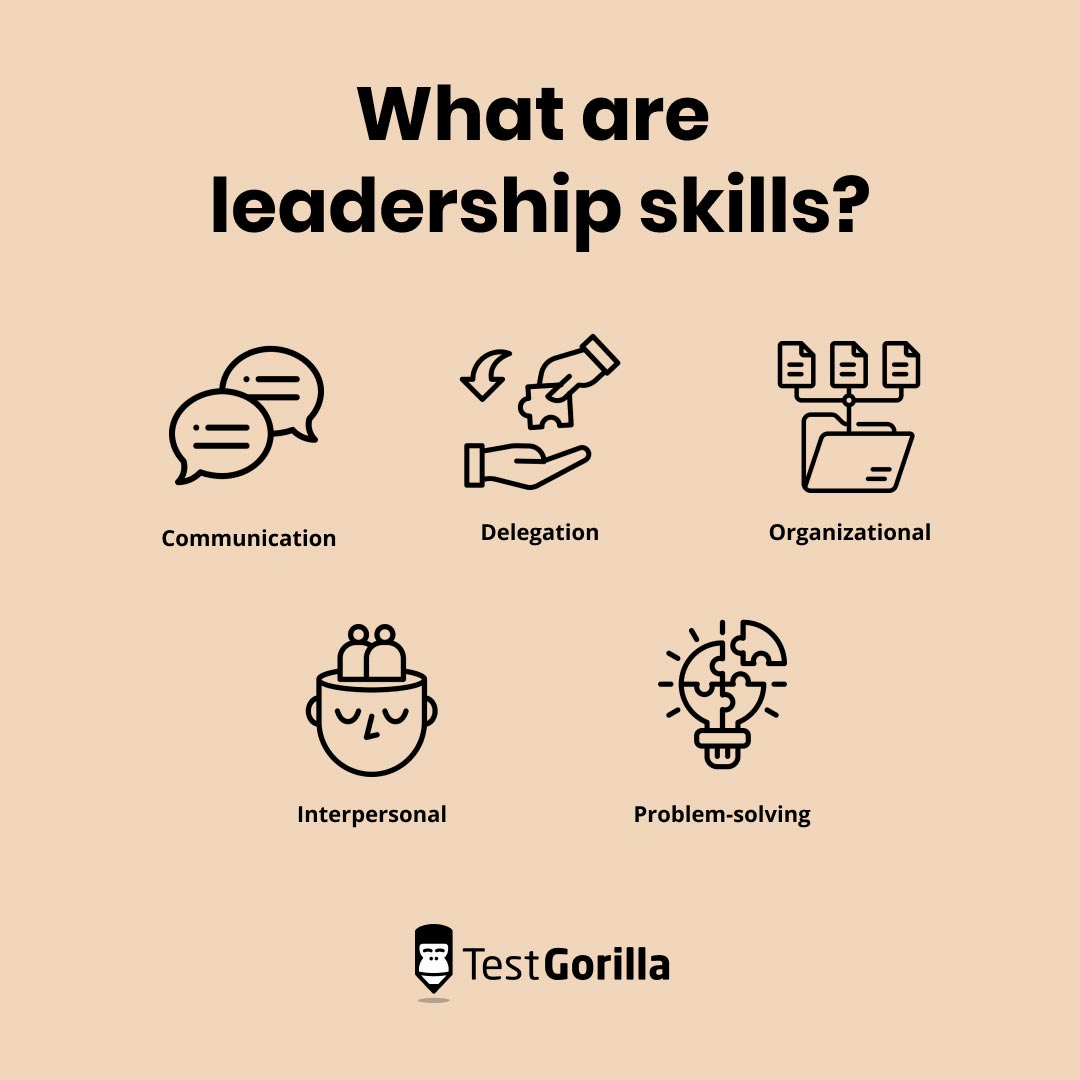
Credit: www.testgorilla.com
Motivational Strategies
Leadership skills are essential for guiding teams and organizations to success. One of the most important aspects of leadership is motivational strategies. These strategies help leaders inspire their teams, set clear goals, and create a positive work environment. Let’s dive into two key components of motivational strategies: inspiring others and setting goals.
Inspiring Others
Great leaders have the ability to inspire their teams. They do this by connecting with people on a personal level, showing empathy, and leading by example. Here are some effective ways to inspire others:
- Communicate clearly: Make sure your team understands the vision and their role in it. Clear communication helps eliminate confusion and align everyone’s efforts.
- Show appreciation: Recognize and celebrate achievements, no matter how small. A simple “thank you” can go a long way in making team members feel valued.
- Be a role model: Demonstrate the behaviors and attitudes you expect from your team. This sets a standard and encourages others to follow suit.
- Provide support: Offer assistance and resources to help team members overcome challenges. This shows you are invested in their success.
Inspiring others also involves creating a culture of trust and respect. When team members feel trusted, they are more likely to take initiative and contribute to the team’s goals. A leader who listens to feedback and acts on it shows they value their team’s input.
| Strategy | Description |
|---|---|
| Clear Communication | Ensure everyone understands the vision and their role. |
| Show Appreciation | Recognize and celebrate achievements. |
| Be a Role Model | Demonstrate expected behaviors and attitudes. |
| Provide Support | Offer assistance and resources to overcome challenges. |
Setting Goals
Setting clear and achievable goals is crucial for team motivation. Goals provide direction and a sense of purpose. Here are some tips for setting effective goals:
- Be specific: Clearly define what you want to achieve. Specific goals are easier to understand and work towards.
- Make them measurable: Include criteria to track progress. This helps in assessing success and making necessary adjustments.
- Set achievable targets: Ensure goals are realistic and attainable. Overly ambitious goals can lead to frustration and demotivation.
- Relevant goals: Align goals with the overall vision and objectives of the team or organization.
- Time-bound: Set deadlines to create a sense of urgency and keep the team focused.
Breaking down larger goals into smaller, manageable tasks can also be effective. This approach makes the process less overwhelming and allows for regular progress checks. Additionally, involving team members in the goal-setting process can increase their commitment and ownership of the goals.
Tracking progress and celebrating milestones are also key components of goal setting. Regular reviews help in identifying any obstacles early and provide opportunities to adjust strategies as needed. Celebrating milestones, no matter how small, keeps the team motivated and reinforces their efforts.
Ethical Leadership
Leadership skills are crucial in guiding teams and organizations toward success. Among these skills, ethical leadership stands out. Ethical leaders inspire trust and respect. They base their actions on a strong moral framework, making decisions that prioritize fairness and integrity. This approach not only fosters a positive work environment but also sets a standard for others to follow.
Values-driven Approach
Ethical leadership hinges on a values-driven approach. Leaders who embrace this style prioritize core values such as honesty, respect, and accountability. They ensure their actions align with these principles, creating a consistent and trustworthy leadership style.
Some key aspects of a values-driven approach include:
- Transparency: Ethical leaders are open about their decisions and the reasons behind them.
- Integrity: They stick to their principles, even in challenging situations.
- Respect: They treat all team members with fairness and dignity.
To illustrate this, consider the following table:
| Value | Action |
|---|---|
| Honesty | Providing clear and truthful communication |
| Accountability | Taking responsibility for one’s actions |
| Respect | Valuing the input and contributions of others |
By focusing on these values, leaders create a work culture that promotes trust and cooperation. Team members are more likely to follow a leader who consistently upholds these standards. This approach not only improves team morale but also enhances overall productivity.
Social Responsibility
Ethical leaders also understand the importance of social responsibility. They recognize their role in contributing to the broader community and environment. Socially responsible leaders make decisions that benefit not only their organization but also society as a whole.
Key elements of social responsibility include:
- Sustainability: Implementing practices that protect the environment.
- Community Engagement: Supporting local initiatives and charitable causes.
- Ethical Practices: Ensuring fair treatment of employees and suppliers.
Here is a simple representation:
| Aspect | Example |
|---|---|
| Sustainability | Reducing waste and promoting recycling |
| Community Engagement | Volunteering in local projects |
| Ethical Practices | Fair wages and safe working conditions |
By embracing social responsibility, leaders build a positive reputation for their organization. They attract customers and employees who value ethical practices. This leads to long-term success and a strong, positive impact on society.
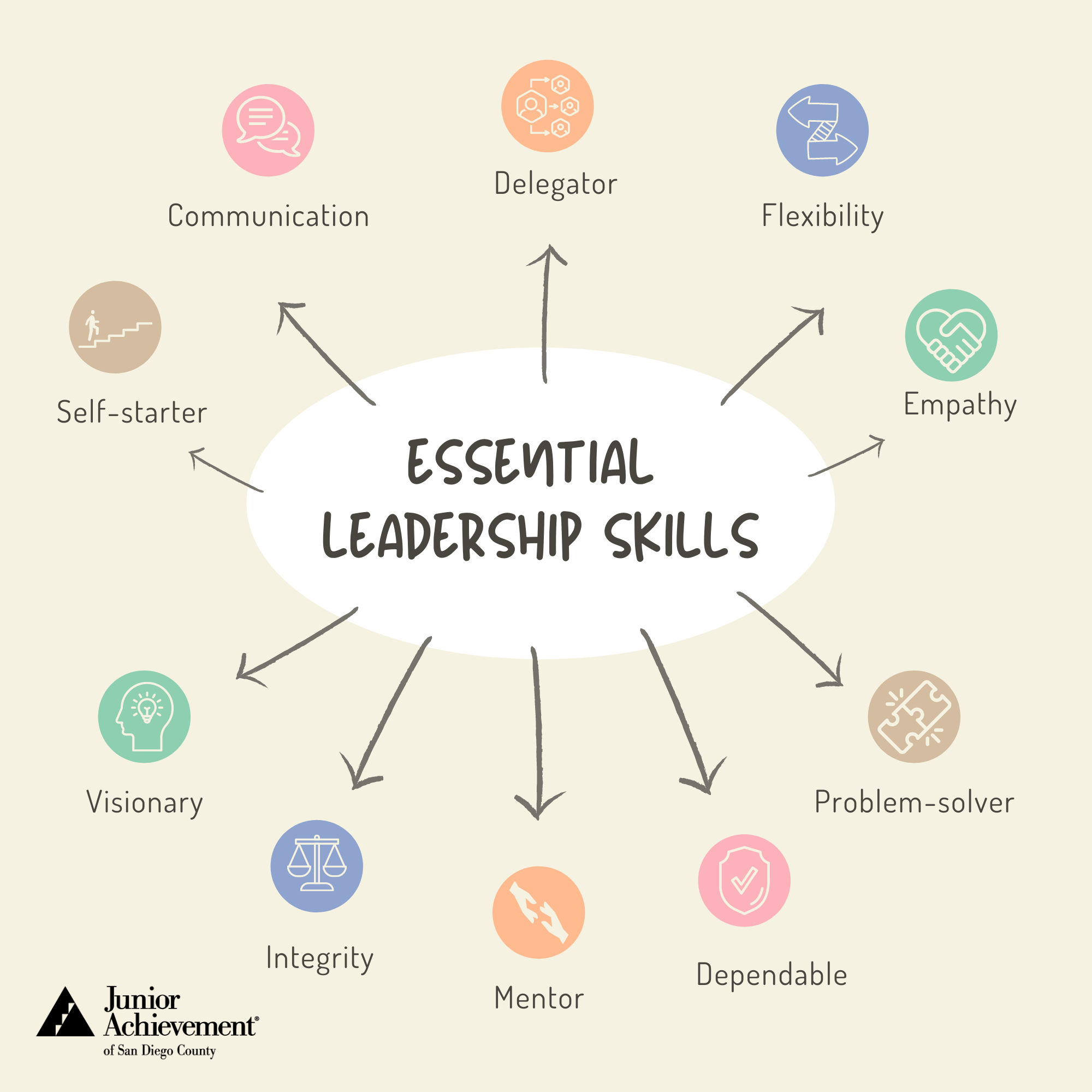
Credit: jasandiego.org
Continuous Learning
Continuous learning is vital for leadership skills. Leaders must evolve and adapt. Staying updated helps them make better decisions. It’s not just about gaining knowledge but also about applying it. Leaders who commit to continuous learning inspire their teams and drive innovation. Here, we explore two key aspects: feedback mechanisms and mentorship opportunities.
Feedback Mechanisms
Feedback mechanisms are crucial for continuous learning. They help leaders understand their strengths and weaknesses. Effective feedback can come from various sources, including peers, subordinates, and self-assessment.
Peer Feedback:
- Provides a different perspective.
- Encourages mutual growth.
- Builds a culture of trust.
Subordinate Feedback:
- Shows leaders their impact on the team.
- Helps in improving communication skills.
- Identifies areas for improvement.
Self-Assessment:
- Encourages reflection.
- Helps in setting personal goals.
- Promotes self-awareness.
Using a combination of these feedback types can create a well-rounded understanding of a leader’s abilities. This aids in targeted improvement. Leaders can use feedback to adapt and grow, ensuring they remain effective and relevant.
Mentorship Opportunities
Mentorship opportunities play a significant role in continuous learning. Mentors provide guidance, share experiences, and offer valuable insights. Having a mentor can accelerate a leader’s growth and development.
Benefits of Mentorship:
- Gains from the mentor’s experience.
- Receives personalized advice.
- Gets support in challenging times.
Finding a Mentor:
- Look within your organization.
- Join professional networks.
- Attend industry events.
Being a Mentor:
- Enhances leadership skills.
- Builds a legacy.
- Improves communication and teaching abilities.
Mentorship is a two-way street. Both mentors and mentees benefit. Mentors pass on their knowledge while also learning new perspectives. Mentees gain guidance and support. This exchange fosters a culture of continuous learning and growth.
Frequently Asked Questions
What Are Essential Leadership Skills?
Essential leadership skills include communication, decision-making, and empathy. Good leaders inspire and motivate their teams. They also resolve conflicts and manage time efficiently.
How Can Leaders Improve Communication?
Leaders can improve communication by actively listening and giving clear instructions. They should also provide constructive feedback. Regularly engaging with team members builds trust and transparency.
Why Is Empathy Important In Leadership?
Empathy in leadership helps in understanding team members’ perspectives. It fosters a supportive and positive work environment. Empathetic leaders build stronger relationships and improve team morale.
How Do Leaders Make Effective Decisions?
Leaders make effective decisions by analyzing data, considering risks, and consulting with team members. They stay informed and think strategically. Good decision-making leads to better outcomes.
Conclusion
Building strong leadership skills is essential for success. These skills help in guiding teams effectively. Good leaders inspire and motivate. They listen and communicate well. They solve problems and make decisions confidently. Developing these skills takes time and effort. Practice and dedication are key.
Keep learning and growing. Your journey as a leader will be rewarding. Start today, and see the difference it makes.