

Project management is a complex field. It requires juggling many tasks and responsibilities.
Managing a project can feel like balancing on a tightrope. Unexpected issues arise, deadlines loom, and resources may need to be improved. Each project has unique hurdles, testing the skills and patience of even the most seasoned managers. Understanding these challenges is crucial to find practical solutions.
This blog post explores common project management challenges, offering insights to help you navigate them. Recognizing these obstacles will prepare you better, whether new to project management or experienced. Dive in to learn more about what makes project management so demanding yet rewarding.

Credit: www.proofhub.com
Common Challenges
Various challenges are almost inevitable in project management. Understanding these common challenges can help project managers prepare and mitigate potential issues. These hurdles often revolve around time constraints and budget limitations. Let’s explore these common challenges in detail.
Time Constraints
Meeting deadlines is a significant challenge in project management. Time constraints can impact project deliverables and overall success. Effective project scheduling and task prioritization are crucial to manage time effectively. Here are some common issues related to time constraints:
- Poor Planning: Inadequate planning can lead to missed deadlines.
- Resource Allocation: Inefficient use of resources can cause delays.
- Stakeholder Management: Miscommunication with stakeholders can result in time-consuming revisions.
- Unexpected Risks: Unforeseen risks can derail the timeline.
Project managers can implement risk assessment strategies to combat these issues and improve team collaboration. They should also promptly address regular updates and communication barriers to keep everyone on the same page.
Budget Limitations
Projects often face budget constraints that can limit their scope and quality. Proper management of budget limitations is essential for delivering successful outcomes. Critical issues related to budget limitations include:
Challenge Description
Underestimation Initial budget estimates may fall short of actual needs.
Scope Creep Uncontrolled changes or expansions can strain the budget.
Cost Overruns Unexpected expenses can exceed the planned budget.
To manage budget constraints, project managers should focus on:
- Accurate Estimation: Use historical data for realistic budgeting.
- Quality Control: Ensure project quality without unnecessary expenses.
- Resource Allocation: Optimize resource use to stay within budget.
Regular budget reviews and stakeholder updates can prevent scope creep and financially keep the project on track.
Team Dynamics
Project management often involves navigating various challenges, and managing team dynamics is one of the most critical aspects. Effective team dynamics can lead to successful project outcomes, while poor dynamics can result in delays and conflicts. Understanding and addressing the challenges within team dynamics is essential for any project manager aiming for project success.
Communication Issues
Effective communication is vital in project management. Communication can lead to better understanding, missed deadlines, and project failure. Here are some common communication issues in project management:
- Information Overload: Too much information can overwhelm team members, making it easier to prioritize tasks.
- Unclear Instructions: Ambiguous instructions can lead to confusion and mistakes.
- Inconsistent Communication Channels: Using multiple platforms can cause information to get lost.
To address these issues, project managers can implement the following strategies:
- Use a Centralized Communication Platform: Tools like Slack or Microsoft Teams can centralize communication.
- Regular Check-Ins: Schedule daily or weekly meetings to ensure everyone is on the same page.
- Clear and Concise Messaging: Provide clear and direct instructions to avoid misunderstandings.
These methods can improve team collaboration and ensure project timelines are met. Effective communication is a cornerstone of resource allocation and risk management, helping to keep projects on track.
Conflict Resolution
Conflicts are inevitable in any team setting. How these conflicts are managed can significantly affect project outcomes. Here are some common conflict sources:
- Resource Allocation: Limited resources can lead to competition and disagreements.
- Task Prioritization: Differing opinions on what tasks are most important can cause friction.
- Stakeholder Engagement: Conflicting stakeholder demands can create tension within the team.
Effective conflict resolution strategies include:
| Strategy | Description |
|---|---|
| Mediation | A neutral party helps facilitate a resolution. |
| Open Dialogue | Encourage team members to express their concerns openly. |
| Clear Roles and Responsibilities | Define roles to avoid overlaps and conflicts. |
By addressing conflicts promptly, project managers can maintain a positive team environment. This approach supports better project planning and performance measurement, ensuring that scope creep is avoided and project goals are met.
Stakeholder Engagement
Engaging with stakeholders is crucial in project management. It ensures that everyone involved in a project is on the same page. It helps maintain clear communication, manage expectations, and incorporate feedback effectively. Let’s delve into the common challenges faced in stakeholder engagement.
Expectations Management
Managing expectations is one of the most critical aspects of stakeholder engagement. Different stakeholders may have varying expectations of a project. Misaligned expectations can lead to misunderstandings and project delays. Here are some steps to manage expectations effectively:
- Clear Communication: Ensure that communication channels are open and transparent. Use simple language to explain the project scope and objectives.
- Define Project Deliverables: Clearly outline what the project will deliver. This helps in setting realistic expectations.
- Regular Updates: Provide regular updates on project progress. This keeps stakeholders informed and engaged.
Consider the following table to understand how to manage expectations:
| Task | Action |
|---|---|
| Initial Meeting | Discuss project scope and deliverables |
| Weekly Updates | Share progress and any changes in the timeline |
| Feedback Sessions | Collect and incorporate feedback from stakeholders |
Effective expectation management involves clear communication, setting realistic goals, and keeping stakeholders in the loop. It also includes addressing any communication barriers that might arise. This ensures that all parties are aware of their roles and responsibilities.
Feedback Incorporation
Incorporating feedback from stakeholders is essential for project success. It ensures that the project meets the needs and expectations of all involved parties. Here are some strategies for effective feedback incorporation:
- Regular Feedback Loops: Schedule regular feedback sessions to gather input from stakeholders.
- Change Management: Implement a structured change management process to handle feedback. This includes documenting changes and communicating them to the team.
- Resource Allocation: Allocate resources effectively to address feedback and make necessary changes.
Take a look at the following table for a better understanding:
| Feedback Method | Action |
|---|---|
| Surveys | Collect quantitative data on stakeholder satisfaction |
| Meetings | Discuss qualitative feedback and suggestions |
| Email Updates | Share changes and collect further feedback |
Incorporating feedback effectively can enhance team collaboration and improve project deliverables. It helps in better risk assessment and timeline management. By addressing the feedback, project managers can ensure that the project stays on track and meets performance metrics.
Resource Allocation
Resource Allocation is a crucial aspect of project management. It involves distributing available resources effectively across various project tasks. Proper resource allocation ensures that projects stay on track and within budget. Yet, it often comes with challenges. Budget constraints, communication barriers, and scheduling conflicts are some hurdles. Let’s explore these challenges in detail.
Human Resources
Managing human resources effectively is crucial in project management. Human resources include team members, their skills, and their time. Proper allocation ensures that the right person is assigned to the right task. Yet, several challenges can arise:
- Skill Mismatch: Assigning tasks to team members without the required skills can delay the project.
- Availability: Scheduling conflicts can occur when team members have overlapping duties.
- Team Collaboration: Poor communication can lead to misunderstandings and reduce team efficiency.
Effective project planning is essential to address these issues. Managers should identify and match the skills needed for each task with team members. A clear schedule can help avoid overlaps and ensure everyone knows their responsibilities.
Consider this table for better task assignment:
| Task | Required Skill | Assigned Team Member |
|---|---|---|
| Design | Graphic Design | Alice |
| Development | Programming | Bob |
| Testing | Quality Assurance | Charlie |
Regular meetings can also help in change management and ensure that any changes in the project scope are communicated effectively. This minimizes risks and keeps everyone aligned with the project goals.
Material Resources
Regular meetings can also help in change management and ensure that any changes in the project scope are communicated effectively. This minimizes risks and keeps everyone aligned with the project goals.
Material Resources
Material resources include the physical items needed for a project. This can be anything from office supplies to specialized equipment. Proper allocation of these resources is essential to keep the project on track. Challenges in managing material resources can include:
- Budget Constraints: A limited budget can restrict the availability of necessary materials.
- Inventory Management: Keeping track of material usage to avoid shortages or excess.
- Supply Chain Issues: Delays in receiving materials can halt project progress.
Effective resource allocation requires careful planning. Managers should forecast the material needs for each phase of the project. They should also establish strong relationships with reliable suppliers to ensure timely delivery. Here’s a simple inventory management table:
| Material | Required Quantity | Available Quantity | Supplier |
|---|---|---|---|
| Computers | 10 | 8 | Tech Supplies Co. |
| Office Chairs | 15 | 15 | FurniWorld |
| Software Licenses | 20 | 18 | SoftTech Inc. |
Regular updates on the inventory can help in effective risk management. This ensures that any potential shortages are identified early, and measures are taken to mitigate them. Engaging stakeholders in these updates can also enhance transparency and trust in the project.
Risk Management
Project management has its challenges, and one of the most critical aspects is Risk Management. Proper risk management helps identify and mitigate potential issues before they become significant problems. Effective risk management ensures that projects stay on track, within budget, and meet the expected quality standards.
Identifying Risks
Identifying risks is the first step in risk management. It involves a thorough Risk Assessment during the Project Planning phase. A project manager must consider all possible threats affecting the project’s success.
Here are some common risks to look out for:
- Budget Constraints: Running out of funds before completing the project.
- Communication Barriers: Misunderstandings among team members or with stakeholders.
- Resource Allocation: Need more resources to complete tasks on time.
- Change Management: Need help adapting to new processes or changes in project scope.
- Timeline Management: Delays in project milestones or final delivery.
Creating a risk register can help document identified risks, their impact, and the likelihood of their occurrence. A sample risk register might look like this:
| Risk | Impact | Likelihood |
|---|---|---|
| Budget Constraints | High | Medium |
| Communication Barriers | Medium | High |
| Resource Allocation | High | Low |
Mitigation Strategies
Mitigation strategies are essential for managing identified risks. These strategies help reduce the impact or likelihood of risks turning into issues.
Here are some common mitigation strategies:
- Budget Constraints: Allocate a contingency budget to cover unexpected expenses. Review financial statements regularly to stay on track.
- Communication Barriers: Establish clear communication channels. Use collaboration tools to ensure everyone is on the same page.
- Resource Allocation: Conduct regular resource reviews. Ensure that team members have the necessary tools and support.
- Change Management: Implement a change control process. Educate team members on how to handle changes effectively.
- Timeline Management: Create a detailed project schedule. Monitor progress regularly and adjust timelines as needed.
Involving key stakeholders in the Risk Assessment and mitigation process is crucial. Their insights can provide a broader perspective on potential risks. Additionally, engaging stakeholders ensures that they are aware of the steps being taken to address these risks.
Effective Team Collaboration is also vital for successful risk management. Regular meetings and open discussions can help identify risks early and develop practical mitigation strategies.
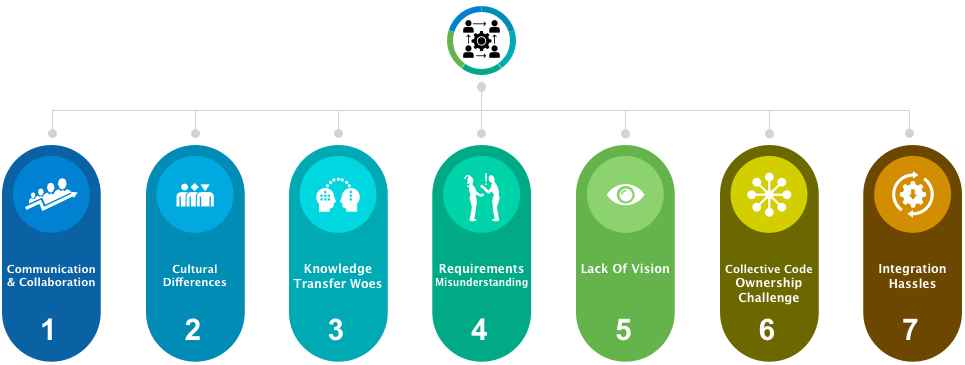
Credit: reqtest.com
Technology Integration
Project management presents many challenges. One of the biggest is technology integration. Today’s projects rely on various tools and platforms. Integrating these technologies smoothly is crucial for success. But it can be challenging. Teams face obstacles that can delay progress and cause frustration. Understanding these challenges helps in finding better solutions.
Software Challenges
One major challenge in technology integration is software. Many projects use multiple software tools. Ensuring these tools work together is challenging. Compatibility issues can arise, leading to data loss or errors. Teams often need training to use new software, which takes time and resources.
Common software challenges include:
- Compatibility: Different software tools may need to work better together.
- Learning Curve: Team members need time to learn new tools.
- Updates: Frequent software updates can disrupt workflows.
- Support: Lack of technical support can slow down progress.
Software challenges can affect Resource Allocation. Teams may need extra help managing these issues, which impacts Timeline Estimation and Project Planning. Effective Risk Management strategies are essential. Identifying potential software issues early can save time and effort. Regular training and support can also help overcome these challenges.
Data Management
Data management is another critical area. Projects generate a lot of data, and it is vital to manage this data efficiently. Poor data management can lead to mistakes affecting Project Scope and Team Collaboration. Projects often use various data sources, and integrating these sources is complex.
Critical data management challenges:
- Data Accuracy: Ensuring data is correct and up-to-date.
- Data Security: Protecting data from unauthorized access.
- Data Integration: Combining data from different sources.
- Data Storage: Managing large volumes of data.
Effective data management requires good Project Tracking tools. These tools help monitor data flow and ensure data accuracy and security. Stakeholder Engagement is also essential. Keeping stakeholders informed about data management practices builds trust. Using Agile Methodologies can improve data management. These methods allow teams to adapt quickly to changes. Regular data audits and updates ensure data remains valuable and relevant.
Change Management
Change Management is one of the biggest challenges in project management. It involves guiding teams and stakeholders through transitions, ensuring that projects stay on track despite evolving circumstances. Change management is critical to maintaining momentum and achieving project goals.
Adapting To Change
Adapting to change is crucial in project management. Projects often face unexpected shifts in scope, resources, or timelines. Effective Change Management helps teams stay agile, minimizing disruptions and keeping the project on course.
Here are some common challenges in adapting to change:
- Communication Barriers: Miscommunication can lead to misunderstandings and delays.
- Resource Allocation: Reassigning resources swiftly is often tricky.
- Risk Management: Identifying and mitigating risks becomes more complex with change.
- Project Scope: Changes can lead to scope creep, affecting project goals.
To handle these challenges, project managers can:
- Establish clear communication channels.
- Use flexible Resource Allocation strategies.
- Regularly review Risk Management plans.
- Keep the Project Scope well-defined and documented.
Creating a culture that embraces change is also vital. Encourage Team Collaboration and Stakeholder Engagement. This builds a supportive environment where change is seen as an opportunity for growth.
Training Needs
Training is essential for effective Change Management. Teams need the right skills to adapt to new processes and tools. Proper training ensures everyone is on the same page, reducing resistance to change.
Key training areas include:
- Communication Skills: Helps in overcoming Communication Barriers.
- Project Planning Tools: Familiarizes teams with new Project Planning software.
- Performance Metrics: Teaches how to track and analyze project performance.
- Time Management: Enhances the ability to manage time efficiently, even during changes.
Here is a sample training plan:
| Training Topic | Duration | Outcome |
|---|---|---|
| Communication Skills | 2 days | Improved team communication |
| Project Planning Tools | 3 days | Effective use of planning software |
| Performance Metrics | 1 day | Better performance tracking |
| Time Management | 1 day | Enhanced time management skills |
Regular training sessions keep skills up-to-date. This ensures teams are ready for changes. Investing in training also boosts morale and confidence. It makes teams more adaptable and resilient.
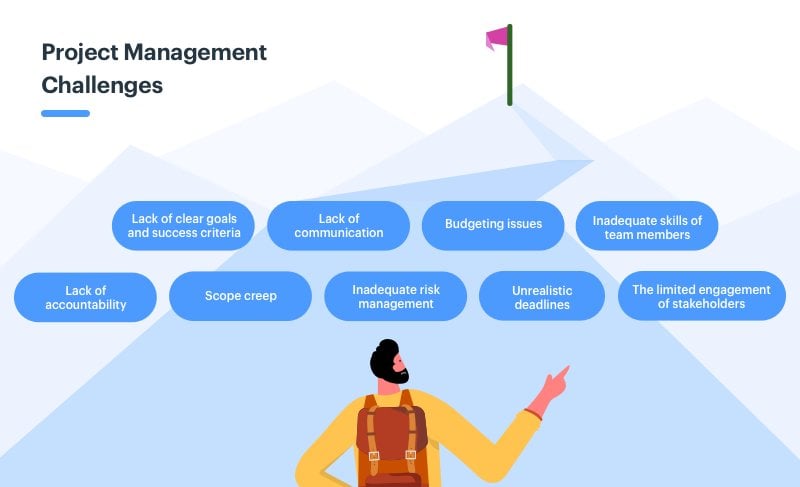
Credit: kissflow.com
Frequently Asked Questions
What Are Common Project Management Challenges?
Project management often faces scope creep, budget constraints, and resource allocation issues. Effective communication and team alignment are crucial. Balancing stakeholder expectations and managing risks are also common challenges. Addressing these issues early can lead to project success.
How To Handle Scope Creep In Projects?
To handle scope creep, define clear project goals and requirements. Communicate changes promptly and document them. Use change control processes and prioritize tasks effectively. Regularly review project scope with stakeholders to ensure alignment.
Why Is Resource Allocation Important?
Resource allocation ensures that project tasks have adequate resources. It optimizes team productivity and prevents burnout. Proper allocation helps meet deadlines and stay within budget. It also allows for efficient use of available resources.
How To Improve Team Communication?
Improve team communication by using collaboration tools and regular meetings. Encourage open discussions and feedback. Clearly define roles and responsibilities. Establish communication protocols and ensure everyone is informed about project updates.
Conclusion
Project management faces many challenges. Deadlines can be tight. Budgets may be limited. Teams often work remotely. Communication gaps arise. Tools and strategies evolve constantly. Each challenge teaches valuable lessons. Strong leadership and clear goals help. Flexibility is key. Adapt to changes.
Embrace teamwork. Stay organized. Use resources wisely. Address issues early. Keep learning. Project management demands dedication. Success is possible with the right approach.