

Social media can feel overwhelming. Many find it hard to keep up.
Are you struggling with social media? You’re not alone. Managing multiple platforms, creating engaging content, and staying updated with trends is tough. It’s easy to feel lost in the constant stream of updates and notifications. Many people face challenges in building a strong online presence.
Understanding how to navigate social media can help you connect better with your audience. This blog will explore common struggles and offer simple tips to improve your social media game. Let’s dive into how you can make social media work for you, without the stress.
Impact On Mental Health
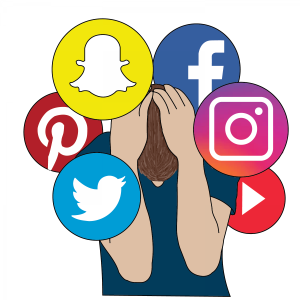
Struggling with social media is a common issue many people face today. The impact on mental health is significant. The constant need to be online, seek validation, and compare ourselves to others can be overwhelming. It leads to anxiety, depression, and a negative self-image. Social media can also create a fear of missing out (FOMO) and digital burnout. These issues can have serious consequences on our overall well-being.
Anxiety And Depression
Social media can contribute to anxiety and depression. The pressure to stay connected and present can be stressful. This is known as social media anxiety. The constant notifications and updates can disrupt daily life, leading to feelings of being overwhelmed.
The need for online validation can also impact mental health. Many people base their self-worth on the number of likes or comments they receive. This can lead to low self-esteem and depression when expectations are not met. Additionally, negative comments or cyberbullying can worsen these feelings.
Here are some effects of social media on mental health:
- Increased anxiety
- Feelings of loneliness
- Depression
- Negative self-image
A social media detox, where one takes a break from social media, can help. This can reduce anxiety and improve mood. Setting time limits on social media use is another effective strategy. This helps manage the impact on mental health and prevents social media addiction.
Comparison Culture
Social media often promotes a culture of comparison. People tend to share the best parts of their lives online. This can create unrealistic expectations and pressure to match others’ seemingly perfect lives. This online comparison can damage self-esteem and mental well-being.
Comparison culture can lead to:
| Issue | Impact |
|---|---|
| Negative self-image | Feeling inadequate |
| FOMO | Fear of missing out |
| Digital burnout | Exhaustion from constant online presence |
To combat comparison culture, focus on your own achievements. Practice gratitude and mindfulness. Remember, social media often shows a highlight reel, not reality. Limiting exposure to certain accounts can also help. This helps create a healthier online environment and reduces the impact on mental health.
Credit: elderhsquill.org
Addiction And Dependency
Struggling with social media can often lead to addiction and dependency. Many people find themselves constantly checking their phones, scrolling through feeds, and feeling anxious without their devices. This dependency can affect emotional well-being and mental health, leading to social media anxiety and fatigue. Understanding the signs of addiction and learning ways to break the cycle can improve your social media wellness.
Signs Of Addiction
Recognizing the signs of social media addiction is the first step towards recovery. Here are some common indicators:
- Excessive Screen Time: Spending several hours a day on social media platforms.
- Social Media Anxiety: Feeling stressed or anxious when not able to access social media.
- Neglecting Responsibilities: Ignoring work, school, or personal duties due to time spent online.
- Social Media Fatigue: Feeling tired or overwhelmed by constant engagement with social media.
- Emotional Well-Being: Experiencing mood swings or depression linked to online interactions.
- Online Dependency: Relying on social media for validation, self-esteem, or social connections.
Here is a table that summarizes these signs:
| Signs of Social Media Addiction | Description |
|---|---|
| Excessive Screen Time | Several hours daily on social media |
| Social Media Anxiety | Feeling anxious without access |
| Neglecting Responsibilities | Ignoring duties due to social media |
| Social Media Fatigue | Feeling overwhelmed by engagement |
| Emotional Well-Being | Mood swings linked to online interactions |
| Online Dependency | Relying on social media for validation |
Breaking The Cycle
Breaking the cycle of social media addiction is crucial for mental health and social media wellness. Here are some effective coping strategies for social media:
- Set Limits: Allocate specific times for social media use. Use apps to monitor and limit screen time.
- Digital Detox: Take regular breaks from social media. Disconnect for a day or a weekend to refresh your mind.
- Engage in Offline Activities: Spend time with family and friends, pursue hobbies, or read books. These activities can reduce online dependency.
- Mindful Usage: Be conscious of your social media habits. Avoid mindless scrolling and engage with meaningful content.
- Seek Support: Talk to a therapist if you struggle with social media anxiety or addiction. Professional help can provide strategies tailored to your needs.
Improving social media management can enhance emotional well-being. Here’s a quick guide:
| Strategy | Action |
|---|---|
| Set Limits | Monitor and limit screen time |
| Digital Detox | Take regular breaks |
| Engage in Offline Activities | Spend time with loved ones and hobbies |
| Mindful Usage | Be conscious of habits |
| Seek Support | Talk to a therapist |
Adopting these strategies can help break the cycle of addiction and promote a healthier relationship with social media. Prioritizing mental health and social media wellness is key to managing social media effectively.
Privacy Concerns
Social media has become an essential part of our lives, but it comes with its own set of challenges. One of the most significant issues people face is privacy concerns. Understanding how to protect your information is crucial in today’s digital age.
Data Security
Data security is a major aspect of privacy concerns. Many users worry about how their data is collected, stored, and used by social media platforms. Ensuring your data is secure can help mitigate some of these worries.
Here are some key points to consider:
- Strong Passwords: Use a combination of letters, numbers, and symbols.
- Two-Factor Authentication: Adds an extra layer of security to your accounts.
- Privacy Settings: Adjust your privacy settings to control who sees your information.
- Regular Updates: Keep your apps and devices updated to protect against security vulnerabilities.
Consider the following table for a quick overview of data security tips:
| Tip | Description |
|---|---|
| Strong Passwords | Create passwords with a mix of characters. |
| Two-Factor Authentication | Use an additional verification step. |
| Privacy Settings | Control who sees your posts and information. |
| Regular Updates | Update apps to fix security issues. |
Data security helps protect your digital footprint. It reduces the risk of unauthorized access and misuse of your information, addressing social media anxiety and contributing to your digital well-being.
Personal Boundaries
Setting personal boundaries is another critical aspect of managing privacy concerns. It can help reduce social media fatigue and social media addiction, improving your mental health and social media experience.
Here are some strategies for setting boundaries:
- Limit Screen Time: Set specific times for using social media.
- Unfollow or Mute Accounts: Remove accounts that cause stress or negativity.
- Be Selective with Friend Requests: Only accept requests from people you know and trust.
- Avoid Oversharing: Think twice before posting personal details.
Maintaining personal boundaries can help with online communication barriers and personal brand challenges. It allows you to manage your online presence more effectively, contributing to a healthier digital footprint.
By being mindful of your interactions and the content you share, you can protect your privacy and enjoy a more positive social media experience. Setting boundaries is essential for your digital well-being and helps in maintaining a balance between your online and offline life.
Digital Detox
Struggling with social media can feel overwhelming. Constant notifications, endless scrolling, and the pressure to maintain an online presence can lead to social media anxiety and fatigue. A digital detox can offer a much-needed respite. Let’s explore the benefits and how to start.
Benefits Of A Break
Taking a break from social media can improve your mental health and overall well-being. Here are some key benefits:
- Improved Mental Health: Reducing social media use can decrease anxiety and depression.
- Better Time Management: Freeing up time can help you focus on more productive tasks.
- Enhanced Self-Care: More time for activities that nurture your body and mind.
- Reduced Social Media Fatigue: Less exposure to constant updates and online pressures.
- Increased Real-Life Engagement: More time to connect with people face-to-face.
A digital detox can lead to significant improvements in your daily life. You may find yourself more present and engaged in your surroundings. This break can also help you develop healthier engagement strategies for when you return to social media.
| Benefit | Description |
|---|---|
| Improved Mental Health | Less anxiety and depression. |
| Better Time Management | More time for productive tasks. |
| Enhanced Self-Care | Focus on activities that nurture you. |
| Reduced Social Media Fatigue | Less exposure to online pressures. |
| Increased Real-Life Engagement | More face-to-face connections. |
How To Start
Starting a digital detox might seem daunting, but it can be simple with these steps:
- Set Clear Goals: Decide what you want to achieve with your digital detox.
- Create a Schedule: Plan specific times to check your social media accounts.
- Inform Your Network: Let friends and followers know you’ll be taking a break.
- Remove Apps: Temporarily delete social media apps from your phone.
- Find Alternatives: Replace social media time with other activities like reading or exercise.
Following these steps can help you manage your time better and reduce social media anxiety. It also allows you to focus on content creation without the pressure of constant online presence.
Start small by setting a few hours each day without social media. Gradually increase this time as you become more comfortable. This approach can help you ease into a digital detox without feeling overwhelmed.
Remember, the goal is to find a balance that works for you. A digital detox doesn’t mean you have to quit social media entirely. It’s about creating healthier habits and ensuring your mental health is a priority.
Social Skills Erosion
Struggling with social media can lead to social skills erosion. Constant online engagement affects our real-life interactions. Virtual interactions often replace face-to-face communication. This shift has significant effects on our social abilities. Let’s explore how these changes impact us.
Face-to-face Interactions
Face-to-face interactions are diminishing due to social media. People spend more time engaging online. This impacts our ability to connect in person. Social anxiety increases. Meeting new people becomes daunting. Self-confidence in social settings declines.
In-person communication offers benefits that online engagement cannot. Non-verbal cues, such as body language and facial expressions, play a critical role. They help convey emotions and intentions. Without these cues, misunderstandings occur more frequently.
Consider these points:
- Non-verbal communication: Includes gestures, facial expressions, and eye contact.
- Immediate feedback: Real-time responses help in understanding and resolving issues.
- Emotional connection: Physical presence helps build stronger bonds.
Networking strategies in real life differ from online approaches. Building interpersonal relationships requires effort and practice. Relying solely on digital communication can weaken these essential skills. Engaging in regular face-to-face interactions helps maintain and develop our social abilities.
Communication Skills
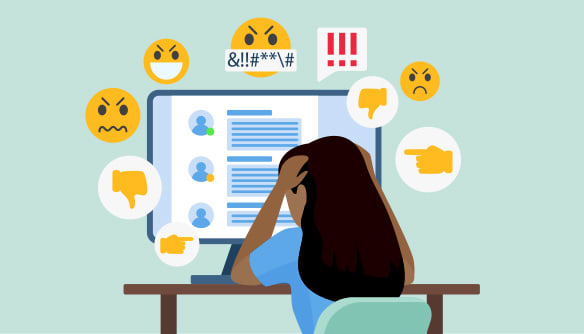
Communication skills are crucial for personal and professional growth. Digital communication often lacks depth. Social media challenges our ability to hold meaningful conversations. Short messages and emojis replace detailed discussions. This affects our vocabulary and articulation.
Here are some challenges of relying on digital communication:
| Challenge | Impact |
|---|---|
| Limited expression | Reduces ability to articulate thoughts clearly. |
| Reduced emotional intelligence | Hinders understanding of others’ emotions. |
| Lack of active listening | Decreases empathy and connection. |
Effective communication involves active listening, empathy, and clarity. These elements are essential for strong interpersonal relationships. Social skills development requires practice in real-life situations. Over-reliance on virtual interactions can impede this growth.
To improve communication skills, consider these tips:
- Engage in regular face-to-face conversations.
- Practice active listening: Focus on the speaker and respond thoughtfully.
- Expand your vocabulary: Read books, articles, and engage in discussions.
- Work on emotional intelligence: Understand and manage your emotions and those of others.
Balancing digital communication with real-life interactions is key. It helps maintain and enhance our communication skills. This balance supports better relationships and overall well-being.
Credit: www.baptistjax.com
Fomo And Loneliness
Social media has become a double-edged sword. It connects us, but it also brings challenges. One major issue is FOMO and loneliness. Many struggle with these feelings while scrolling through their feeds. This blog post will explore these topics in detail.
Fear Of Missing Out
Fear of Missing Out (FOMO) is a common feeling. People often see friends posting about parties, trips, or events. This can make them feel left out. FOMO is a type of social media anxiety. It can lead to Social Media Burnout.
Here are some signs of FOMO:
- Checking social media constantly
- Feeling sad when seeing others’ posts
- Comparing your life to others
- Feeling the need to post frequently
FOMO can affect mental health. It can cause stress and anxiety. People may feel they need to keep up with everyone. This can lead to Social Media Addiction. It can also create Social Media Overwhelm.
A table can show the effects of FOMO:
| Effect | Description |
|---|---|
| Stress | Feeling pressured to stay updated |
| Anxiety | Worrying about missing out |
| Low Self-Esteem | Comparing oneself to others |
Addressing FOMO is important. Focus on real-life connections. Limit social media use. Engage in activities that make you happy. These can reduce the impact of FOMO.
Feeling Isolated
Despite being connected, many feel isolated. Loneliness in social media is real. Virtual Relationships can sometimes lack depth. This leads to feelings of isolation.
Here are some causes of feeling isolated:
- Superficial interactions
- Lack of face-to-face connections
- Spending too much time online
Social media can create a false sense of connection. Online Presence Management can be stressful. It can make people feel lonely. Even with many online friends, real-life connections might be missing.
Ways to combat loneliness in social media:
- Spend time with family and friends
- Engage in offline hobbies
- Limit time on social media
- Focus on quality over quantity in friendships
Feeling isolated can lead to Social Media Burnout. It’s important to maintain a balance. Digital Connection should not replace real-life interactions. True connections come from spending time together. This helps in reducing loneliness and improving mental well-being.
Curating Your Feed
Struggling with social media can be overwhelming, but curating your feed is a great way to regain control. By focusing on positive content and unfollowing toxic accounts, you can create a healthier online presence. This helps to reduce social media anxiety and social comparison, leading to a more enjoyable and supportive digital experience.
Positive Content
Filling your feed with positive content can significantly improve your social media experience. Content curation is key to achieving this. Look for accounts that promote positive engagement and community support. Here are some tips to help you get started:
- Follow accounts that share uplifting stories and motivational quotes.
- Engage with creators who focus on mental health and self-care strategies.
- Subscribe to pages that offer educational content or hobbies you enjoy.
- Support local businesses or creators who inspire positive change.
By focusing on these types of content, you can reduce social media fatigue. You also get to enjoy a more enriching and supportive online environment. Additionally, consider setting aside time each day to engage with this positive content. This habit can boost your mood and overall well-being.
Unfollowing Toxic Accounts
Unfollowing toxic accounts is a crucial step in creating a healthier social media experience. Toxic accounts can contribute to social media anxiety and negative social comparison. Here are some strategies to identify and unfollow these accounts:
- Review your feed regularly. Identify posts that make you feel anxious or unhappy.
- Assess the accounts posting this content. Ask yourself if they add value to your life.
- Unfollow accounts that promote negativity or unrealistic standards.
- Replace these accounts with ones that offer positive engagement and support.
Another useful technique is to take a digital detox. This involves temporarily stepping away from social media. It helps to reset your mind and reassess your online presence. During this time, reflect on what content truly benefits you. After the detox, return to social media with a fresh perspective and a curated feed that supports your mental health.
Remember, curating your feed is an ongoing process. Regularly update it to ensure it remains a source of positivity and inspiration.
Seeking Support
Feeling overwhelmed by social media? Many people struggle with the constant pressure to stay connected, leading to digital overwhelm and anxiety. Seeking support can help you cope better. Below are ways to find the support you need.
Talking To Friends
Opening up to friends about your social media anxiety can be a great first step. They may share similar experiences and offer valuable advice. Discussing your feelings can help you feel less isolated and more understood.
Here are some ways to start the conversation:
- Be Honest: Share your true feelings about social media impact on self-esteem.
- Ask for Advice: Friends might have coping strategies for social media that worked for them.
- Set Boundaries: Let them know if you need to take a social media detox.
Talking to friends can lead to the creation of a supportive environment. You can even form a small group to discuss digital well-being and encourage each other. This mutual support can help you manage online communication issues more effectively.
Professional Help
If talking to friends isn’t enough, seeking professional help is a good option. Mental health professionals can offer strategies to cope with social media anxiety. They have the expertise to address digital overwhelm and social connection struggles.
Consider these types of professional help:
- Therapists: They can help you understand the impact of social media on your mental health.
- Counselors: They offer practical coping strategies for social media use.
- Support Groups: Joining social media support groups can connect you with others facing similar issues.
Professional help can provide a structured plan to improve your digital well-being. They can guide you through a social media detox and help you set healthy boundaries. This support can make a significant difference in managing your mental health and social media use.

Credit: www.missmegabug.com
Frequently Asked Questions
How To Manage Social Media Stress?
Managing social media stress involves setting boundaries, taking breaks, and prioritizing real-life interactions. Use tools to limit screen time. Focus on quality over quantity. Engage in activities that promote mental well-being.
Why Do I Struggle With Social Media?
Struggling with social media often stems from comparison, information overload, and unrealistic expectations. It’s important to curate your feed, and follow positive content. Establish a healthy relationship with social media usage.
What Are Tips For Social Media Balance?
To balance social media, schedule specific times for usage. Avoid checking it first thing in the morning or before bed. Engage in offline hobbies and prioritize face-to-face interactions with friends and family.
How Can I Reduce Social Media Anxiety?
Reduce social media anxiety by unfollowing negative accounts, and limiting time spent online. Practice mindfulness and focus on positive interactions. Take regular breaks to recharge.
Conclusion
Social media can be tough, but you can manage it. Focus on small steps. Stay consistent with your posts. Engage with your followers. Ask questions. Share interesting content. Over time, you will see progress. Remember, it’s about building connections. Keep learning and stay patient.
Social media success doesn’t happen overnight. So, take it one day at a time. You’ve got this!