

Visual storytelling is a powerful way to convey messages. It combines images, videos, and graphics to tell a story.
This technique captivates audiences and makes content memorable. In today’s fast-paced world, people often skim through information. Visual storytelling grabs attention and keeps readers engaged. It is not just about pretty pictures; it’s about creating a narrative that resonates. By using visuals, complex ideas become easier to understand.
This method appeals to both emotions and logic, making it a versatile tool. Whether you are a marketer, educator, or content creator, mastering visual storytelling can enhance your communication. It allows you to connect with your audience on a deeper level. Ready to dive into the world of visual storytelling? Let’s explore how it can transform your message.
What Is Visual Storytelling
Visual storytelling is a powerful way to convey messages through imagery, videos, and other visual media. It combines both visual design and narrative techniques to create an engaging story that resonates with audiences. But what exactly is visual storytelling? Let’s explore it in detail.
Key Elements
Visual storytelling involves several key elements that make it effective and engaging:
- Imagery: High-quality images and graphics capture attention and convey messages quickly.
- Visual Design: The layout, color schemes, and typography are crucial for creating a visually appealing story.
- Narrative Techniques: A clear structure with a beginning, middle, and end helps in maintaining audience interest.
- Multimedia Content: Incorporating videos, animations, and infographics can enhance the storytelling experience.
- Emotional Engagement: Visuals that evoke emotions can create a stronger connection with the audience.
These elements work together to create a comprehensive and engaging visual narrative. A balance of these components ensures that the story is not only visually appealing but also effectively communicates the intended message. For instance, an infographic can present complex data in a simple and understandable format, making it easier for the audience to grasp the information.
Let’s consider a table to summarize the key elements:
| Element | Description |
|---|---|
| Imagery | High-quality images and graphics |
| Visual Design | Layout, color schemes, typography |
| Narrative Techniques | Structured story with a beginning, middle, and end |
| Multimedia Content | Videos, animations, infographics |
| Emotional Engagement | Visuals that evoke emotions |
Importance In Communication
Visual storytelling plays a vital role in communication by making messages more engaging and memorable. Here are some reasons why it is important:
- Audience Connection: Visual narratives can create a deeper connection with the audience.
- Clarity: Images and videos can often explain concepts better than words alone.
- Retention: People are more likely to remember information presented visually.
- Emotional Engagement: Visuals can evoke emotions, making the message more impactful.
Effective visual communication is not just about making things look good. It’s about making the message clear and engaging. For example, a well-designed infographic can help simplify complex information, making it more accessible and understandable.
Moreover, visual storytelling methods like graphic storytelling and multimedia content are essential in today’s digital age. They cater to the short attention spans of modern audiences, making information consumption quicker and more enjoyable. This is why businesses and educators increasingly use visual storytelling to communicate their messages effectively.
In essence, visual storytelling is a blend of art and science. It leverages the power of visuals to enhance narrative techniques, ensuring that the message not only reaches the audience but also resonates with them. By focusing on emotional engagement and clear communication, visual storytelling can transform how we share and perceive information.

Credit: www.wearecognitive.com
Types Of Visual Storytelling
Visual storytelling is a powerful way to communicate ideas, emotions, and narratives. This method uses various types of visual content to engage and connect with the audience. Understanding the different types of visual storytelling can help you choose the best method for your message. Here, we explore three key types: photography, illustration, and video.
Photography
Photography is one of the most effective forms of visual storytelling. It captures real moments and emotions, making it an authentic way to convey a story. Through a single image or a series of photos, you can create a compelling visual narrative that resonates with your audience.
Photography is versatile and can be used in various storytelling techniques:
- Documentary Photography: Captures real-life events and moments. It is often used in journalism and social media.
- Portrait Photography: Focuses on individuals, showcasing their emotions and personalities.
- Landscape Photography: Depicts natural or urban environments, setting the scene for your story.
A well-composed photograph can enhance visual communication and boost audience engagement. Consider the following elements:
| Element | Description |
|---|---|
| Composition | The arrangement of elements in the frame. |
| Lighting | The use of light to highlight the subject. |
| Perspective | The angle from which the photo is taken. |
By mastering these elements, you can create impactful visual content that tells a story without words.
Illustration
Illustration is another powerful type of visual storytelling. It allows for more creativity and flexibility compared to photography. Illustrations can be hand-drawn or digital, and they can depict anything from realistic scenes to abstract concepts.
Illustrations are often used in:
- Children’s Books: To visualize stories and engage young readers.
- Marketing Materials: To make content more appealing and memorable.
- Infographics: To present complex information in an easy-to-understand format.
Illustrations can enhance visual communication by using creative visuals to represent ideas and emotions. Key elements include:
| Element | Description |
|---|---|
| Color | The use of colors to evoke emotions and highlight important parts. |
| Style | The overall look and feel of the illustration. |
| Detail | The level of intricacy in the illustration. |
Effective illustrations can enhance audience engagement by making the story more vivid and relatable.
Video
Video is a dynamic form of visual storytelling that combines imagery, sound, and motion. This multimedia storytelling method is highly engaging and can convey complex narratives effectively.
Videos can be used in various ways, such as:
- Documentaries: To tell real-life stories and events.
- Advertisements: To promote products or services with a compelling narrative.
- Tutorials: To provide step-by-step instructions in a visual format.
Creating a powerful video involves several elements:
| Element | Description |
|---|---|
| Script | The written content that guides the video’s narrative. |
| Editing | The process of assembling the footage into a coherent story. |
| Sound | The use of music, dialogue, and sound effects to enhance the story. |
Videos can significantly boost audience engagement by combining visual and auditory elements to create an immersive storytelling experience. Digital storytelling through video can capture the viewer’s attention and convey emotions more effectively than static images or text alone.
Techniques And Tools
Visual storytelling is an art that combines images, videos, and graphics to tell a story. Using the right techniques and tools can make a huge difference. They can turn a simple idea into a compelling narrative. This section explores some key techniques and tools that can enhance your visual storytelling.
Composition Techniques
Effective composition is crucial for visual storytelling. It ensures that the audience focuses on the right elements. Here are some techniques to consider:
- Rule of Thirds: Divide your image into thirds, both horizontally and vertically. Place key elements along these lines or intersections.
- Leading Lines: Use natural lines to guide the viewer’s eye towards the main subject.
- Framing: Use elements within the scene to frame the subject, adding depth and focus.
- Symmetry and Patterns: Symmetrical compositions and repeating patterns can be visually appealing and draw attention.
- Depth of Field: Use focus to isolate the subject from the background, creating a sense of depth.
Understanding these techniques helps in creating engaging visuals. They improve audience engagement by making the story more visually appealing. Here’s a quick reference table for these techniques:
| Technique | Description | Usage |
|---|---|---|
| Rule of Thirds | Divide image into thirds | Placing key elements |
| Leading Lines | Natural lines guiding the eye | Directing viewer’s focus |
| Framing | Using elements to frame the subject | Adding depth |
| Symmetry and Patterns | Using symmetry and repetition | Creating visual appeal |
| Depth of Field | Isolating subject by focus | Enhancing subject prominence |
Digital Tools
In the digital age, various tools can help create stunning visual stories. Here are some essential digital tools for multimedia storytelling:
- Adobe Photoshop: Ideal for image composition and graphic design. It offers extensive features for editing and enhancing images.
- Canva: User-friendly tool for creating creative visuals. It provides templates and easy drag-and-drop features.
- Final Cut Pro: Excellent for video editing. It helps in crafting a visual narrative with professional touches.
- Procreate: Great for digital drawing and illustrations. Perfect for adding artistic elements to your stories.
- InDesign: Useful for designing layouts, especially for digital and print media. Helps in creating visually appealing stories.
Using these tools effectively can enhance your storytelling techniques. They help in creating visual communication that is both engaging and impactful. Here’s a quick overview of some popular tools:
| Tool | Purpose | Key Features |
|---|---|---|
| Adobe Photoshop | Image editing | Advanced features for editing |
| Canva | Graphic design | Templates, drag-and-drop |
| Final Cut Pro | Video editing | Professional video editing tools |
| Procreate | Digital drawing | Artistic illustration features |
| InDesign | Layout design | Layout and design tools |
Mastering these tools can significantly boost your visual aesthetics. They aid in creating stories that captivate and hold the audience’s attention.
Role Of Emotion
Visual storytelling is a powerful tool in both marketing and personal communication. The role of emotion in visual storytelling cannot be overstated. Emotions drive actions and decisions, making them a crucial element in creating impactful stories. Through strategic use of imagery, colors, and narrative techniques, storytellers can evoke strong emotional responses, creating deeper connections with their audience.
Creating Connection
Emotional engagement is key to creating a connection with your audience. Through visual storytelling, you can make your audience feel seen and understood. This bond is created using various storytelling methods, including:
- Imagery in Storytelling: Visual elements like photos, illustrations, and videos can evoke emotions more powerfully than words alone.
- Narrative Techniques: Stories that follow a clear structure with relatable characters and plots can deeply resonate with viewers.
- Colors and Visuals: Different colors and visuals can evoke specific emotions. For instance, blue can be calming, while red can be energizing.
Visual communication is enhanced when these elements work together to create a seamless and emotionally engaging experience. Consistency in your visual narrative helps maintain the connection. Here’s a table summarizing how different elements contribute to creating connections:
| Element | Emotional Impact |
|---|---|
| Imagery | Evokes immediate emotional responses |
| Colors | Influences mood and feelings |
| Narrative Structure | Helps in relating to the story |
Eliciting Responses
Visual storytelling aims to elicit responses from the audience. These responses can be emotional, cognitive, or behavioral. Here’s how multimedia storytelling can achieve this:
- Emotional Responses: By using powerful visuals, you can evoke feelings such as joy, sadness, or excitement. This can be achieved through:
- Strong imagery that reflects the audience’s experiences or aspirations.
- Music and sound effects that enhance the emotional tone of the story.
- Cognitive Processing: Engaging the audience’s mind through intriguing and thought-provoking content. This can include:
- Complex narratives that challenge the audience to think deeply.
- Interactive elements like quizzes or polls that require active participation.
- Behavioral Responses: Encouraging the audience to take action. This can be done through:
- Clear calls-to-action that guide the audience on what to do next.
- Brand storytelling that aligns with the audience’s values, encouraging loyalty and advocacy.
By combining these elements, visual storytelling can create a powerful emotional impact. This helps in building a lasting audience connection and driving desired responses.
Cultural Impact
Visual storytelling has a profound cultural impact. It shapes how people see the world and understand different cultures. The power of images, videos, and other visual media goes beyond words, creating deep emotional connections. Visual stories can bridge cultural gaps, making it easier to share and appreciate diverse experiences. Let’s explore this impact through global perspectives and cultural narratives.
Global Perspectives
Visual storytelling offers unique insights into different cultures. By using visual media, we can share stories that transcend language barriers. These stories highlight the beauty and complexity of cultural traditions.
Cross-cultural narratives are a key aspect of this. They allow us to see the world through the eyes of others. This fosters empathy and understanding. Here are some ways visual storytelling achieves this:
- Documentaries: Show real-life experiences and cultural practices.
- Films: Use narrative design to tell engaging stories from different cultures.
- Social Media: Platforms like Instagram and TikTok share quick, impactful visual narratives.
Through these methods, we gain a broader view of the world. Visual communication breaks down stereotypes and promotes a global perspective. It encourages us to appreciate cultural diversity and fosters a sense of global community.
In many ways, visual arts and immersive storytelling create a shared space for dialogue. They enable people from different backgrounds to connect and engage with one another. This is especially important in today’s interconnected world. Visual storytelling techniques like these can make a lasting cultural impact:
| Technique | Impact |
|---|---|
| Visual Narrative | Creates relatable stories across cultures |
| Immersive Storytelling | Engages audiences deeply, fostering empathy |
| Visual Communication | Breaks language barriers with universal symbols |
Cultural Narratives
Cultural narratives are the stories that define a community or nation. They are passed down through generations, shaping identity and values. Visual storytelling plays a crucial role in preserving and sharing these narratives.
One way this is done is through visual arts. Paintings, sculptures, and other art forms tell stories of a culture’s history and beliefs. These visual narratives are powerful. They capture the essence of a culture in a way that words alone cannot.
Another way is through narrative design in media such as films and TV shows. These stories reflect cultural values and social issues. They can influence public opinion and foster audience engagement. Here are some examples:
- Historical Films: Depict important events and figures.
- Cultural Documentaries: Highlight traditions and customs.
- Animated Stories: Use creative visuals to engage younger audiences.
These storytelling techniques ensure that cultural narratives are not forgotten. They keep traditions alive and relevant. Visual communication in these forms helps to educate and inspire. It brings people together through shared stories and experiences.
In essence, cultural storytelling through visual media is a powerful tool. It preserves the past and connects it to the present. It fosters a deeper understanding of our shared human experience. By engaging with these stories, we can appreciate the richness and diversity of cultures around the world.
Visual Storytelling In Marketing
Visual storytelling in marketing has become essential in today’s digital age. With the rise of social media and multimedia platforms, brands need to capture attention quickly. Visual storytelling is about using images, videos, and other visual elements to tell a story. This method makes the message more engaging and memorable. It helps create a strong connection with the audience. Visual storytelling in marketing is not just about aesthetics; it’s about crafting a compelling narrative that resonates with the audience.
Brand Storytelling
Brand storytelling is a powerful tool in marketing. It involves using visuals to convey a brand’s values, mission, and vision. A brand narrative can be built through various storytelling techniques. These include:
- Images: High-quality photos that represent the brand’s identity.
- Videos: Engaging videos that tell a story or showcase a product.
- Infographics: Visual data that explains information quickly.
These elements help in creating an emotional connection with the audience. Emotional storytelling is effective because it taps into the audience’s feelings. This makes the brand more relatable and trustworthy. For example:
| Visual Element | Purpose |
|---|---|
| Images | Showcase brand identity |
| Videos | Tell a compelling story |
| Infographics | Explain data visually |
Visual storytelling helps in building a consistent brand image. It ensures that all visual content aligns with the brand’s message. This consistency is key in visual communication. It helps the audience recognize and remember the brand easily.
Engaging Audiences
Engaging audiences is crucial for any marketing strategy. Visual content marketing plays a significant role in capturing the audience’s attention. Multimedia storytelling, including images, videos, and graphics, makes content more dynamic and interesting. Here are some effective ways to engage audiences through visual storytelling:
- Interactive Content: Quizzes, polls, and interactive videos.
- User-Generated Content: Sharing content created by customers.
- Behind-the-Scenes: Showing the human side of the brand.
These methods encourage audience participation. They make the audience feel involved and valued. Digital storytelling techniques, such as live videos and real-time updates, create a sense of immediacy. This keeps the audience engaged and coming back for more. For example:
- Live Q&A sessions
- Real-time product launches
- Customer testimonials
Visual aesthetics are also important in engaging audiences. Attractive visuals draw attention and keep the audience interested. A well-designed visual narrative can convey complex messages simply and effectively. It helps in maintaining audience engagement over time.
In conclusion, visual storytelling is an essential part of modern marketing. It helps in building a strong brand narrative and engaging the audience effectively. Using various storytelling techniques and visual elements can make a significant impact on the audience.
Future Trends
Visual storytelling has taken the digital world by storm. With the rise of new technologies, the way we tell stories continues to evolve. Let’s explore some of the future trends that are shaping this dynamic field.
Augmented Reality
Augmented Reality (AR) is changing the face of visual storytelling. This technology overlays digital content onto the real world, creating immersive experiences for users. AR enhances visual communication by making stories more interactive and engaging.
Here are some key ways AR is influencing visual storytelling:
- Enhanced User Engagement: AR allows users to interact with content in real-time, leading to higher engagement levels.
- Immersive Experiences: By blending the digital and physical worlds, AR provides a more immersive storytelling experience.
- Interactive Media: AR can turn static images into interactive media, enriching the narrative design.
Consider the following table that highlights the benefits of AR in visual storytelling:
| Benefit | Description |
|---|---|
| Immersive Experiences | Blends digital content with the physical world |
| User Engagement | Allows real-time interaction with content |
| Interactive Media | Transforms static images into dynamic content |
Interactive Media
Interactive media is another trend shaping the future of visual storytelling. This type of media involves user participation, making the storytelling process more dynamic and engaging. It includes multimedia content such as videos, infographics, and interactive games.
Here’s how interactive media is enhancing visual storytelling:
- Active Audience Interaction: Users are not just passive viewers; they actively participate in the storytelling process.
- Enhanced Narrative Design: Interactive elements allow for more complex and engaging narrative structures.
- Personalized Content Marketing: Interactive media can be tailored to individual user preferences, making content marketing more effective.
Interactive media creates a deeper connection between the story and the audience. This type of digital storytelling leverages multimedia content to create rich visual narratives. By incorporating user engagement and interactive elements, storytellers can craft more compelling and memorable stories.

Case Studies
Visual Storytelling is a powerful tool for connecting with audiences. By using images, videos, and other multimedia content, brands can create compelling narratives that engage and inspire. Case studies of successful campaigns and innovative projects provide valuable insights into how effective visual storytelling can be. These examples demonstrate the impact of visual communication on audience engagement and brand storytelling.
Successful Campaigns
Successful campaigns often leverage visual storytelling to create immersive experiences. One notable example is the “Share a Coke” campaign by Coca-Cola. This campaign used personalized bottles with people’s names, creating a visual narrative that connected emotionally with consumers. The campaign’s success can be attributed to several key factors:
- Personalization: Using individual names made the campaign feel personal and unique.
- Social Media Integration: Encouraging users to share photos with their named bottles on social media platforms.
- Consistent Branding: Maintaining Coca-Cola’s iconic design while adding a personal touch.
Another example is the “Dove Real Beauty” campaign. This campaign used digital storytelling techniques to challenge beauty standards. It featured real women of various shapes, sizes, and backgrounds. The campaign’s visual communication was powerful:
- Authenticity: Showcasing real women instead of models.
- Emotional Connection: Addressing societal issues and promoting self-esteem.
- Strong Visuals: Using high-quality images and videos to tell the story.
These campaigns highlight the importance of visual storytelling in content marketing. By creating relatable and engaging multimedia content, brands can connect with their audiences on a deeper level.
Innovative Projects
Innovative projects often push the boundaries of visual storytelling. One such project is the “Stranger Things” interactive experience by Netflix. This project used immersive experiences to engage fans of the show:
- Virtual Reality: Offering VR experiences that placed users in the world of “Stranger Things.”
- Interactive Elements: Allowing fans to explore scenes and interact with characters.
- Cross-Platform Integration: Ensuring a seamless experience across multiple devices and platforms.
Another innovative project is the “Nike React” campaign. Nike used graphic design and visual communication to highlight the features of their new running shoe:
- Dynamic Graphics: Using bold colors and animations to showcase the shoe’s technology.
- Storytelling Techniques: Creating a narrative around the development and benefits of the shoe.
- Engagement: Encouraging users to share their experiences with the product on social media.
The success of these projects demonstrates the power of innovative visual storytelling. By utilizing new technologies and creative storytelling techniques, brands can create memorable experiences that resonate with their audiences.
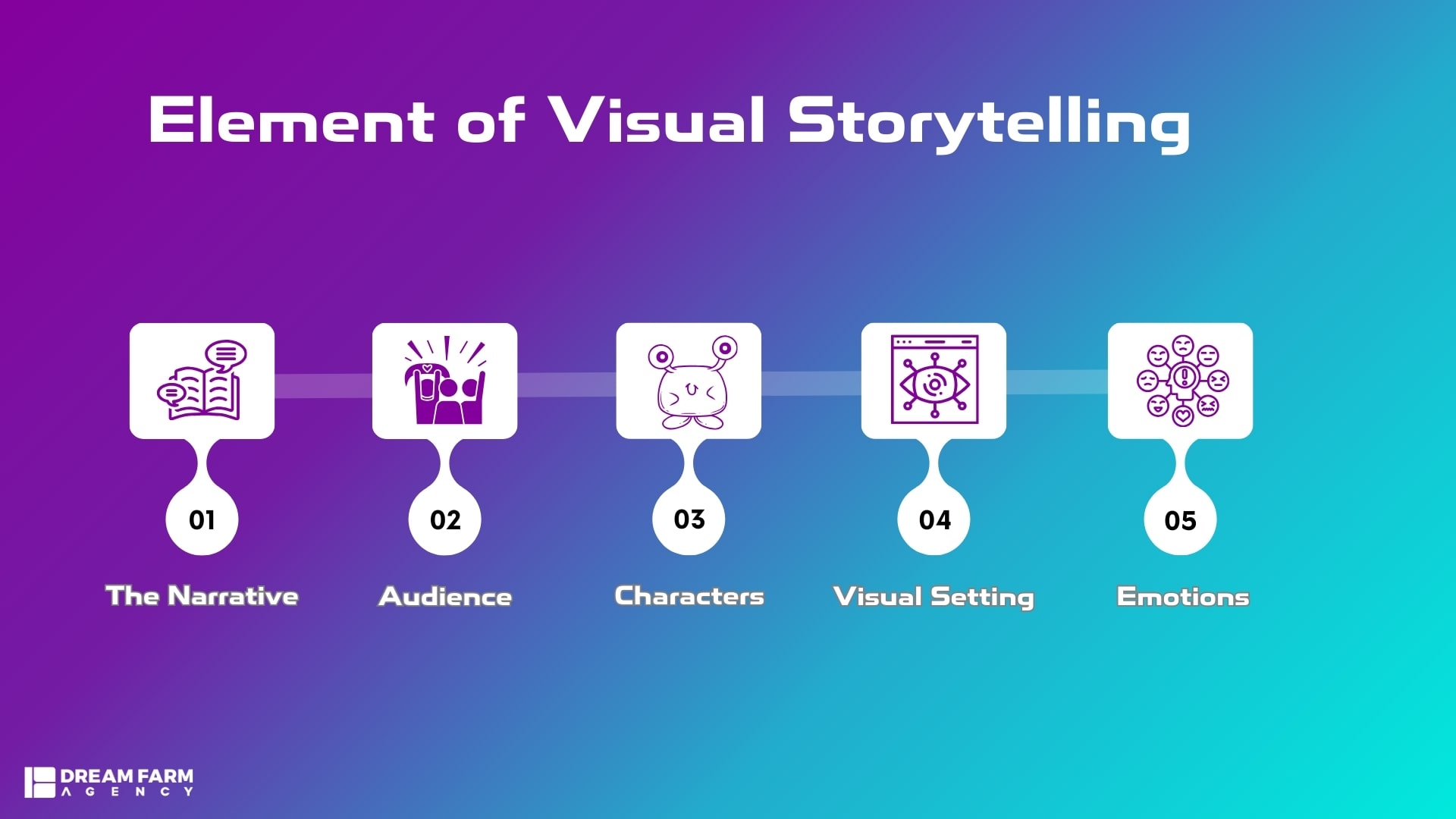
Credit: dreamfarmagency.com
Frequently Asked Questions
What Is Visual Storytelling?
Visual storytelling uses images, videos, and graphics to convey a narrative. It engages audiences by making complex ideas easier to understand.
Why Is Visual Storytelling Effective?
Visual storytelling is effective because it captures attention and retains information better. It appeals to emotions and simplifies complex messages.
How Can I Use Visual Storytelling?
You can use visual storytelling through infographics, videos, and social media visuals. These formats make your message more engaging and shareable.
What Are Key Elements Of Visual Storytelling?
Key elements include compelling visuals, a clear message, and emotional appeal. Consistency in style and branding also enhances storytelling.
Conclusion
Visual storytelling can make your message more engaging and memorable. It captures attention quickly and helps convey complex ideas simply. Remember to use clear images and concise text. Keep your audience in mind and tell a compelling story. Practice and refine your skills regularly.
Visual storytelling is a powerful tool. Use it well to connect with your audience and achieve your goals.