

Online marketing is essential for growing your business in the digital age. It can help you reach a wider audience and increase sales.
Whether you’re a seasoned marketer or just starting out, online marketing can feel overwhelming. The landscape is always changing, with new tools and strategies emerging all the time. Knowing where to focus your efforts can make a big difference. This blog post will provide you with practical and effective online marketing tips.
You’ll learn how to navigate the digital world and make the most of your marketing efforts. Ready to boost your online presence? Let’s dive in and explore the best tips to enhance your online marketing strategy.
Effective Social Media Strategies
In today’s digital landscape, having effective social media strategies is crucial for online marketing success. With the right approach, businesses can boost their brand awareness, engage with their audience, and drive conversions. Let’s explore some key tips for maximizing your social media marketing efforts.
Choosing The Right Platforms
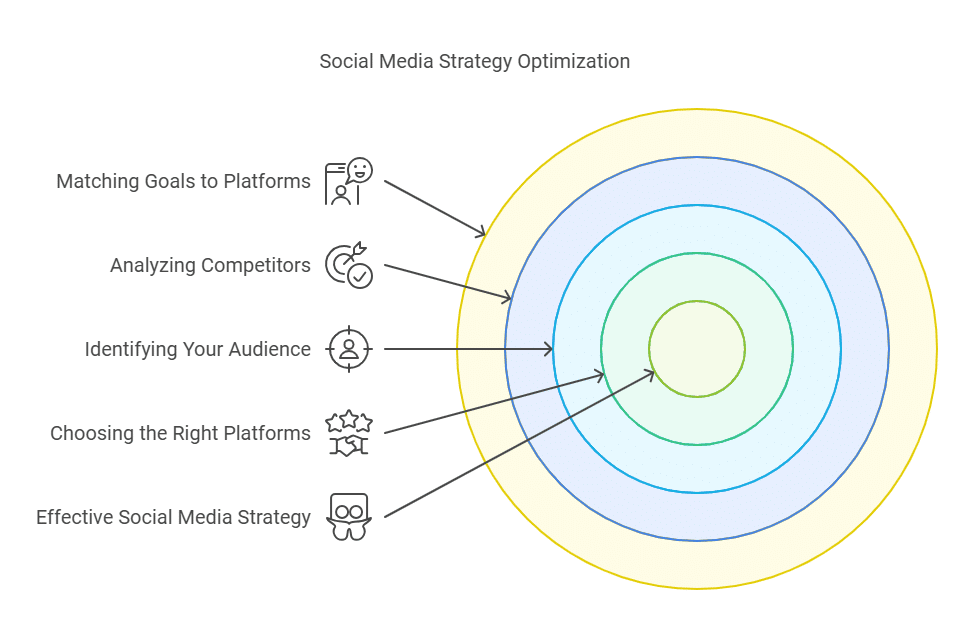
Selecting the right platforms is the first step to a successful social media strategy. Not all platforms will suit every business. To decide where to focus your efforts, consider your target audience and business goals. Here’s how to get started:
-
Identify Your Audience: Know your audience demographics, such as age, gender, and interests.
-
Analyze Competitors: Look at where your competitors are active and how they engage with their followers.
-
Match Goals to Platforms: Different platforms serve different purposes. For example, LinkedIn is ideal for B2B businesses, while Instagram suits visual content and younger audiences.
Here’s a quick comparison of popular social media platforms:
|
Platform |
Best For |
Audience Type |
|---|---|---|
|
|
Brand Awareness, Content Marketing |
All ages, diverse interests |
|
|
Visual Content, Brand Engagement |
18-34, visual-oriented users |
|
|
Real-Time Updates, Customer Service |
18-49, news enthusiasts |
|
|
B2B Marketing, Professional Networking |
25-34, professionals |
Using marketing analytics tools, you can track performance and refine your strategies over time. Choosing the right platforms will ensure your digital marketing strategies are effective and efficient.

Creating Engaging Content
Creating engaging content is key to keeping your audience interested and coming back for more. Your content should be relevant, valuable, and tailored to your audience’s interests. Here are some tips for creating content that resonates:
-
Know Your Audience: Understand what your audience wants and create content that meets their needs. Use surveys and feedback to gather insights.
-
Quality Over Quantity: Focus on producing high-quality content rather than posting frequently without value.
-
Use Visuals: Incorporate images, videos, and infographics to make your content more engaging.
Here are some types of content you can create:
|
Content Type |
Benefits |
|---|---|
|
Blog Posts |
Boost SEO techniques, provide detailed information |
|
Videos |
High engagement, easy to consume |
|
Infographics |
Visually appealing, easy to share |
|
Interactive Content |
Increase audience engagement, fun to interact with |
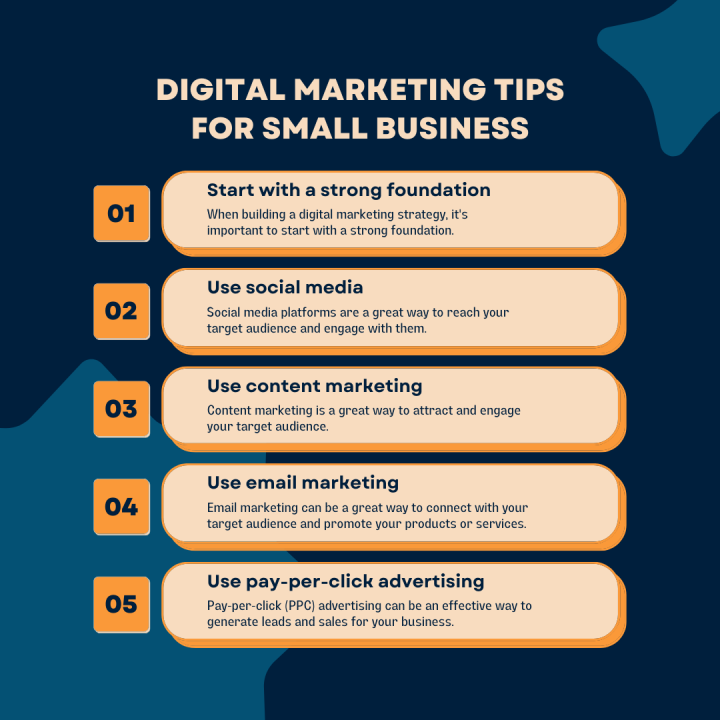
Consistency is also important. Regular posting schedules help keep your audience engaged. Use content marketing tools to plan and schedule your posts. Tracking metrics like likes, shares, and comments will help you understand what works best. This way, you can optimize your social media marketing for better audience engagement and conversion optimization.
Credit: www.linkedin.com
Email Marketing Essentials
In the world of online marketing, email marketing remains a powerful tool. It’s essential for engaging with your audience, driving conversions, and building lasting relationships. To get the most out of your email campaigns, focus on the essentials. These include building a quality list and crafting compelling subject lines. Let’s dive into these key aspects to boost your email marketing efforts.
Building A Quality List
Having a quality email list is crucial for effective email marketing. A well-curated list ensures your emails reach people interested in your content and offers. Here are some tips for building a quality list:
-
Use Lead Generation Methods: Offer valuable content like eBooks, whitepapers, or webinars in exchange for email sign-ups.
-
Leverage Social Media Marketing: Promote your sign-up forms on social media platforms to reach a broader audience.
-
Incorporate Seo Best Practices: Optimize your website and landing pages for search engines to attract organic traffic that can convert into subscribers.
-
Offer Incentives: Discounts, exclusive content, or free trials can entice visitors to subscribe to your email list.
Here’s a table summarizing some key points:
|
Strategy |
Description |
|---|---|
|
Lead Generation Methods |
Offer valuable content in exchange for sign-ups |
|
Social Media Marketing |
Promote sign-up forms on social media |
|
Seo Best Practices |
Optimize your site for search engines |
|
Incentives |
Provide discounts or exclusive content |
Remember, the quality of your list impacts your email marketing success. Focus on attracting engaged and interested subscribers.
Crafting Compelling Subject Lines
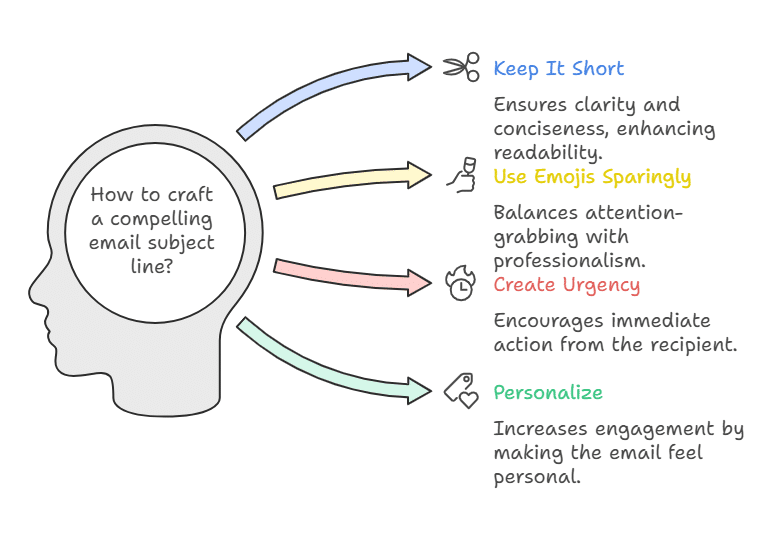
Subject lines are the first thing your audience sees. They play a significant role in whether your email gets opened. Here are some tips for crafting compelling subject lines:
-
Keep It Short and Sweet: Subject lines with 6-10 words perform best. Make every word count.
-
Use Emojis Sparingly: Emojis can grab attention but use them sparingly to maintain professionalism.
-
Create a Sense of Urgency: Phrases like “limited time offer” or “last chance” can prompt immediate action.
-
Personalize When Possible: Including the recipient’s name can make the email feel more personal and engaging.
-
Test and Analyze: Use A/B testing to see which subject lines perform better. Refine your strategy based on the results.
Here’s a table summarizing these tips:
|
Tip |
Description |
|---|---|
|
Keep It Short |
6-10 words perform best |
|
Use Emojis Sparingly |
Grab attention but maintain professionalism |
|
Create Urgency |
Prompt immediate action |
|
Personalize |
Include the recipient’s name |
|
Test and Analyze |
Refine strategy based on A/B testing |
In summary, a compelling subject line can significantly increase your email open rates. Keep it concise, relevant, and engaging to capture your audience’s attention.

Seo Best Practices
Online marketing tips are essential for any business wanting to grow its online presence. One critical aspect of this is SEO Best Practices. Proper SEO can make a huge difference in how your content is found and ranked by search engines. Let’s delve into some key areas to focus on for effective SEO.
Keyword Research Techniques
Keyword research is the cornerstone of SEO Best Practices. Identifying the right keywords can drive significant website traffic generation. Here are some effective techniques:
-
Use Keyword Research Tools: Tools like Google Keyword Planner, SEMrush, and Ahrefs help find relevant keywords.
-
Long-Tail Keywords: These are phrases with three or more words. They often have less competition and attract targeted traffic.
-
Analyze Competitors: Look at what keywords your competitors are ranking for. Tools like SpyFu can help.
For example, if you run an email marketing campaign, focus on long-tail keywords like “best email marketing strategies for small businesses. This is less competitive and more specific.
|
Tool |
Function |
|---|---|
|
Google Keyword Planner |
Find keyword ideas and search volume |
|
SEMrush |
Competitor analysis and keyword research |
|
Ahrefs |
Comprehensive SEO analysis |
Effective keyword research improves your digital marketing strategies, helping you understand what your audience is searching for and how to meet their needs.
On-page Optimization Tips
On-page optimization is another crucial aspect of SEO Best Practices. It involves tweaking your content and HTML source code. Here are some tips to get you started:
-
Title Tags: Ensure your title tags include your primary keyword. Keep them under 60 characters.
-
Meta Descriptions: Write compelling meta descriptions with your keyword. Keep them under 160 characters.
-
Header Tags: Use H1, H2, and H3 tags to structure your content. Include keywords in these headers.
-
Image Alt Text: Add descriptive alt text to images. This helps search engines understand the content of your images.
-
Internal Linking: Link to other relevant pages on your site. This improves navigation and helps search engines index your pages.
For example, if you are writing about backlink building strategies, your title tag could be “Effective Backlink Building Strategies for SEO”.
Using these on-page optimization tips ensures your content is easily readable for both users and search engines. This improves your chances of ranking higher and increases your website traffic.
By following these SEO Best Practices, you not only enhance your content marketing techniques but also improve analytics and reporting tools. This helps in better audience targeting methods and conversion rate optimization.
Content Marketing Insights
Online marketing can be complex. Understanding content marketing is key to success. Content marketing insights help create engaging and effective materials. This blog post shares valuable tips to boost your online marketing efforts.
Types Of Content That Work
Different types of content resonate with different audiences. Knowing what works can save time and boost engagement. Below are some effective content types:
-
Blog Posts: These are great for sharing insights, tips, and information. They help improve SEO and establish authority in your niche.
-
Videos: Videos are engaging and easy to consume. They work well on social media platforms like YouTube and Instagram.
-
Infographics: Infographics present complex information in a visual format. They are easily shareable and can drive traffic to your website.
-
Case Studies: Case studies showcase your success stories. They build trust and demonstrate your expertise.
-
eBooks: eBooks provide in-depth information on a topic. They are excellent for lead generation.
Choosing the right content type depends on your audience and goals. Use a mix of content to keep your audience engaged. Experiment to find what works best for you.
Measuring Content Performance
Tracking content performance is crucial. It helps you understand what works and what doesn’t. Here are key metrics to consider:
|
Metric |
Description |
|---|---|
|
Page Views |
The number of times your content is viewed. |
|
Time on Page |
The average time visitors spend on your page. Longer times indicate better engagement. |
|
Bounce Rate |
The percentage of visitors who leave after viewing one page. Lower rates are better. |
|
Conversion Rate |
The percentage of visitors who complete a desired action. Higher rates indicate effective content. |
Use analytics tools to track these metrics. Tools like Google Analytics are helpful. They provide detailed reports and insights. Regularly review your performance data. Adjust your content marketing techniques based on these insights.
Effective content marketing requires ongoing effort. Use these insights to refine your strategy. Focus on creating valuable content and measuring performance. Your audience will appreciate the effort.
Pay-per-click Advertising
Online marketing is essential for businesses today. One popular method is Pay-Per-Click Advertising (PPC). PPC is a way to get traffic to your website by paying each time someone clicks on your ad. It can be very effective when done right. Below are tips on setting up PPC campaigns and targeting the right audience.
Setting Up Campaigns
Setting up a successful PPC campaign involves several key steps. First, choose the right platform. Google Ads and Facebook Ads are popular choices. Next, define your goals. Do you want more website traffic, sales, or leads?
Here are the steps to follow:
-
Keyword Research: Find keywords that your audience uses. Tools like Google Keyword Planner can help.
-
Create Ad Groups: Group similar keywords together. This helps in creating targeted ads.
-
Write Compelling Ads: Your ads should be clear and attractive. Highlight benefits and include a call-to-action.
-
Set Budgets and Bids: Decide how much you are willing to spend. Set daily budgets and maximum bids for keywords.
-
Use Analytics Tools: Track performance using tools like Google Analytics. Adjust your strategy based on data.
Here is a simple table to show the importance of each step:
|
Step |
Importance |
|---|---|
|
Keyword Research |
High |
|
Create Ad Groups |
Medium |
|
Write Compelling Ads |
High |
|
Set Budgets and Bids |
Medium |
|
Use Analytics Tools |
High |
Targeting The Right Audience
Targeting the right audience is crucial for PPC success. Audience segmentation helps in reaching the people most likely to be interested in your product. You can segment your audience by age, gender, location, interests, and more.
Here are some tips to target the right audience:
-
Understand Your Audience: Use tools like Google Analytics to learn about your audience. Check demographics, interests, and behaviors.
-
Create Buyer Personas: Develop profiles of your ideal customers. This helps in creating targeted ads.
-
Use Remarketing: Show ads to people who have visited your website before. This increases the chance of conversion.
-
Leverage Social Media Marketing: Platforms like Facebook and Instagram allow precise targeting based on interests and behaviors.
-
Test and Refine: Continuously test different targeting options. Use analytics tools to see what works best.
Below is an example of audience segmentation:
|
Segment |
Criteria |
|---|---|
|
Location |
Country, City, Zip Code |
|
Demographics |
Age, Gender, Income |
|
Interests |
Hobbies, Online Activities |
|
Behavior |
Previous Purchases, Website Visits |
Following these tips can improve your PPC campaigns. Understanding your audience and setting up campaigns correctly are key parts of effective digital marketing strategies.
Influencer Collaborations
Online marketing tips often highlight the importance of influencer collaborations. Partnering with social media influencers can boost your brand’s visibility and engagement. By leveraging the reach and trust of influencers, you can tap into new audiences and enhance your marketing efforts.
Finding The Right Influencers
Finding the right influencers is crucial for successful brand collaboration. Start by defining your target audience. Know who you want to reach with your influencer outreach efforts. Research influencers who align with your brand values and audience demographics.
Consider these steps:
-
Use social media platforms to identify influencers in your niche.
-
Check their engagement rates to ensure their followers are active.
-
Review their content to see if it matches your brand’s tone and style.
Here’s a simple table to help you evaluate potential influencers:
|
Criteria |
Details |
|---|---|
|
Relevance |
How closely their content aligns with your brand. |
|
Reach |
Number of followers or subscribers. |
|
Engagement |
Likes, comments, shares per post. |
|
Authenticity |
Quality and trustworthiness of their content. |
Using these criteria, you can narrow down your list to the most suitable influencers. Remember, the right influencer can significantly enhance your audience engagement and brand presence.
Measuring Roi From Partnerships
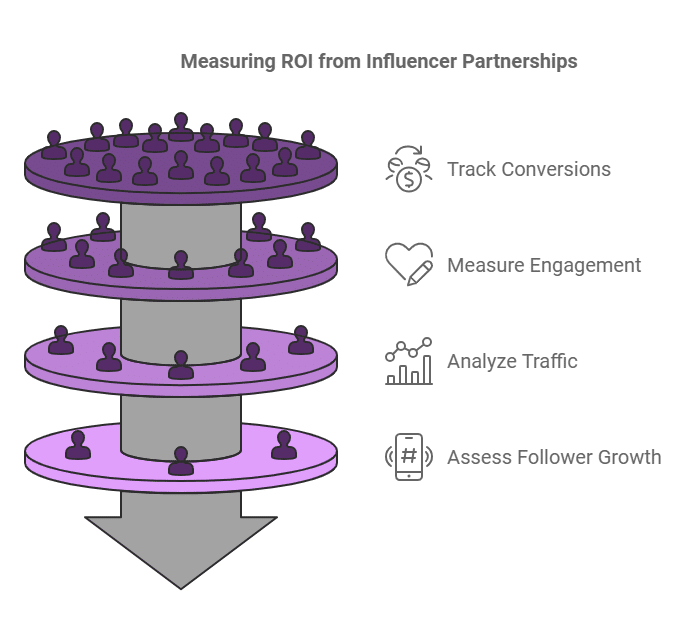
Measuring ROI from influencer partnerships is essential to assess the effectiveness of your campaign. Start with clear goals. Define what success looks like for your collaboration. Whether it’s increased brand awareness or sales, having specific objectives helps in roi measurement.
Consider these metrics:
-
Conversion Tracking: Monitor sales or leads generated from the influencer’s content.
-
Engagement Rates: Look at likes, comments, shares, and other forms of interaction.
-
Website Traffic: Track increases in traffic to your site from the influencer’s posts.
-
Follower Growth: Observe any spikes in your social media followers.
Utilize marketing analytics tools to gather data. Analyze the performance of your influencer campaigns regularly. Here’s an example of how you can organize your data:
|
Metric |
Pre-Campaign |
Post-Campaign |
|---|---|---|
|
Website Traffic |
10,000 visits |
15,000 visits |
|
Social Media Followers |
5,000 followers |
7,000 followers |
|
Sales |
$20,000 |
$30,000 |
By comparing pre- and post-campaign metrics, you can determine the impact of your influencer collaborations. Effective partnership marketing can significantly improve your digital marketing strategies, leading to better results and higher ROI.

Analytics And Tracking
Online marketing is a dynamic field that requires constant adjustments and fine-tuning. One of the most critical aspects of successful online marketing is analytics and tracking. By understanding how your campaigns perform, you can make informed decisions, optimize strategies, and improve results. Analytics and tracking involve using various tools and techniques to measure and analyze your marketing activities. This helps in understanding what works and what doesn’t, allowing you to tailor your efforts for maximum impact.
Tools For Tracking Performance
Tracking performance is essential in online marketing. Using the right analytics tools can help you understand how your audience interacts with your content and campaigns. Here are some popular tools for tracking performance:
-
Google Analytics: This tool is widely used for website traffic analysis. It provides insights into visitor behavior, traffic sources, and conversion rates.
-
SEMrush: A comprehensive tool for SEO best practices, keyword tracking, and competitor analysis.
-
HubSpot: Known for its marketing automation tools, HubSpot offers features for email marketing tips, lead tracking, and content marketing techniques.
-
Hootsuite: Excellent for social media marketing. It helps track engagement, schedule posts, and analyze social media performance.
-
Crazy Egg: Useful for conversion rate optimization. It provides heat maps and user recordings to see how users interact with your site.
Selecting the right tools depends on your specific needs and digital marketing strategies. A combination of these tools can give a comprehensive view of your marketing performance. For instance, using Google Analytics in conjunction with HubSpot can provide a more detailed analysis of website traffic and lead conversions.
Interpreting Data Effectively
Collecting data is only the first step. Interpreting the data effectively is crucial for making informed decisions. Here are some tips for interpreting your marketing data:
-
Set Clear Goals: Define what you want to achieve with your campaigns. Goals could include increasing website traffic, improving conversion rates, or enhancing audience segmentation.
-
Focus on Key Metrics: Identify the key performance indicators (KPIs) that align with your goals. These may include metrics like bounce rate, click-through rate, and conversion rate.
-
Use Visualizations: Tools like Google Data Studio can help create visual reports. Visualizations make it easier to understand trends and patterns in your data.
-
Segment Your Audience: Audience segmentation helps in analyzing how different groups respond to your campaigns. This can lead to more targeted marketing efforts.
-
Regularly Review and Adjust: Digital marketing strategies should be dynamic. Regularly reviewing your data helps in making timely adjustments to your campaigns.
Understanding your data allows you to make strategic decisions. For example, if you notice a high bounce rate on a specific page, it may indicate a need for better content or design improvements. By focusing on these insights, you can enhance your content marketing techniques and overall marketing effectiveness.

Credit: www.sprintzeal.com
Building A Brand Online
Online marketing is essential for any business today. Building a brand online requires a strategic approach. Your brand needs to be recognized and trusted. This section will explore how to build a brand online effectively.
Creating A Consistent Voice
Brand consistency is crucial. It ensures that your audience recognizes and trusts your brand. A consistent voice across all channels helps in building this recognition.
To create a consistent voice:
-
Define Your Brand’s Personality: Is it professional, friendly, or playful?
-
Create a Style Guide: This should include tone, language, and messaging guidelines.
-
Train Your Team: Make sure everyone understands and follows the style guide.
Using a consistent voice improves user experience design. It helps users feel familiar with your brand. Consistency also boosts SEO best practices. Search engines favor brands that are clear and reliable.
Here’s a simple table to help you understand the importance of a consistent voice:
|
Aspect |
Benefit |
|---|---|
|
Brand Recognition |
Increases trust and loyalty |
|
User Experience |
Enhances familiarity and comfort |
|
SEO |
Improves search engine ranking |
Engaging With Your Audience
Engagement is key to building a strong online brand. It involves interacting with your audience and making them feel valued.
Effective engagement strategies include:
-
Social Media Engagement: Respond to comments and messages promptly.
-
Content Marketing: Provide valuable content that addresses your audience’s needs.
-
Email Marketing Techniques: Send personalized emails to keep your audience informed and interested.
Engaging with your audience helps in audience targeting. It ensures that your message reaches the right people. Analytics and metrics can help track the effectiveness of your engagement strategies. Use this data to refine your approach.
Here are some benefits of engaging with your audience:
|
Benefit |
Description |
|---|---|
|
Increased Loyalty |
Builds a strong community around your brand |
|
Better Conversion Rates |
Leads to higher conversion optimization |
|
Helps you understand and improve your offerings |
Building a brand online requires a consistent voice and strong engagement with your audience. These strategies will help you establish a recognizable and trusted brand.
Credit: www.linkedin.com
Frequently Asked Questions
What Is Online Marketing?
Online marketing is promoting products or services over the internet. It includes strategies like SEO, content marketing, and social media marketing. Online marketing helps businesses reach a wider audience.
How Can Social Media Boost Online Marketing?
Social media increases brand visibility and engagement. It allows businesses to interact directly with customers. Effective social media strategies can drive traffic to your website.
What Are Seo Tips For Beginners?
Start with keyword research and use relevant keywords in your content. Optimize your website’s loading speed. Focus on creating high-quality, valuable content.
Why Is Content Marketing Important?
Content marketing builds trust and authority. It attracts and engages your target audience. Consistent, valuable content can improve your SEO and drive traffic.
Conclusion
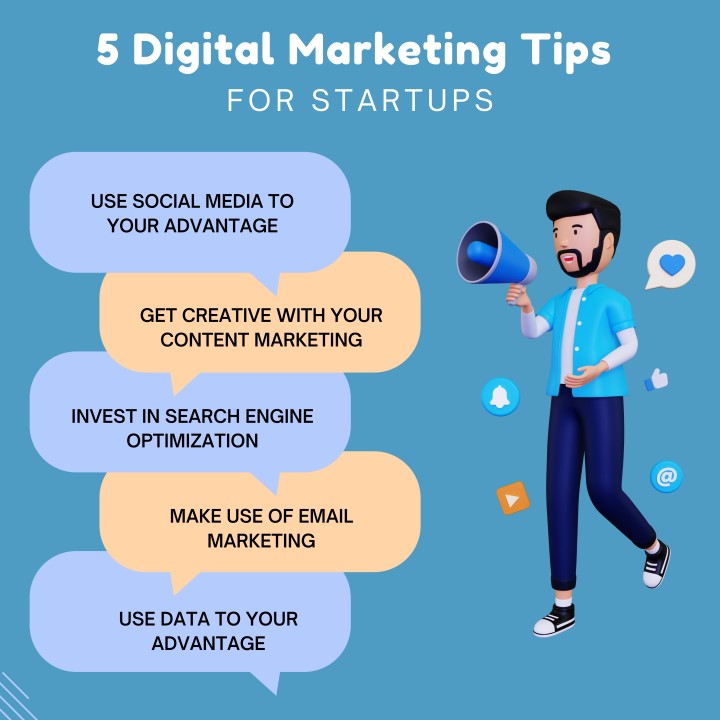
Boosting your online marketing can be simple with the right tips. Focus on creating engaging content. Use social media to reach a wider audience. Track your progress with analytics tools. Always adapt to new trends and technologies. Remember, consistency is key.
Keep your brand voice clear and relatable. With patience and effort, success will follow. Happy marketing!