

Managing personal finances can be challenging. Luckily, many tools can help.
Personal finance tools simplify budgeting, saving, and investing. These tools can be apps, software, or even online calculators. They help you track spending, set financial goals, and make better decisions. By using these tools, you gain control over your money and reduce stress.
Whether you’re saving for a big purchase or paying off debt, personal finance tools can make the process easier. They offer insights and reminders, ensuring you stay on track. Ready to take charge of your finances? Let’s explore how these tools can transform your money management experience.
Importance Of Personal Finance Tools
Personal finance tools are essential for managing money efficiently. These tools help individuals track expenses, set financial goals, and plan for the future. They come in various forms, including budgeting apps, online banking features, and investment tracking tools. Using these tools can lead to better money management and financial stability.
Managing Budget Effectively
Managing a budget effectively is crucial for financial health. Personal finance tools make this task easier and more accurate. Budgeting apps, for instance, allow users to create personal budgeting templates. These templates help in allocating funds for different expenses. It’s a simple way to ensure that money is spent wisely.
Here are some benefits of using budgeting apps:
- Real-time Updates: Get instant updates on your spending.
- Financial Goal Setting: Set and track financial goals easily.
- Expense Categorization: Automatically categorize expenses for better insights.
Using these tools, individuals can avoid overspending and save more. Online banking features also play a role in effective budget management. They offer tools like savings calculators and expense tracking software. These features provide a clear picture of one’s financial status and help in making informed decisions.
Below is a table showing the comparison between traditional budgeting and using budgeting apps:
| Traditional Budgeting | Budgeting Apps |
|---|---|
| Manual entry of expenses | Automatic expense tracking |
| Prone to errors | Accurate and reliable |
| Time-consuming | Quick and efficient |
Tracking Expenses
Tracking expenses is another vital aspect of personal finance. It helps in understanding spending habits and identifying areas for improvement. Expense tracking software offers an easy way to monitor where money goes. This software often comes with features like automated expense categorization and detailed reports.
Some advantages of using expense tracking software include:
- Detailed Reports: Get comprehensive reports on your spending patterns.
- Automated Categorization: Automatically categorize expenses for better clarity.
- Alerts and Reminders: Receive alerts for due payments and overspending.
Financial planning tools also aid in tracking expenses. They help in setting budgets and monitoring progress. Debt management apps are useful for those dealing with debts. These apps track payments and provide strategies for debt reduction. Investment tracking tools, on the other hand, keep track of investments and their performance.
Using these tools, individuals can gain control over their finances. They provide valuable insights and help in making informed decisions. Money management solutions offer a comprehensive approach to personal finance. They integrate budgeting, expense tracking, and financial goal setting into one platform.
In summary, personal finance tools play a significant role in managing money effectively. They offer various features and benefits that make financial management simpler and more efficient.
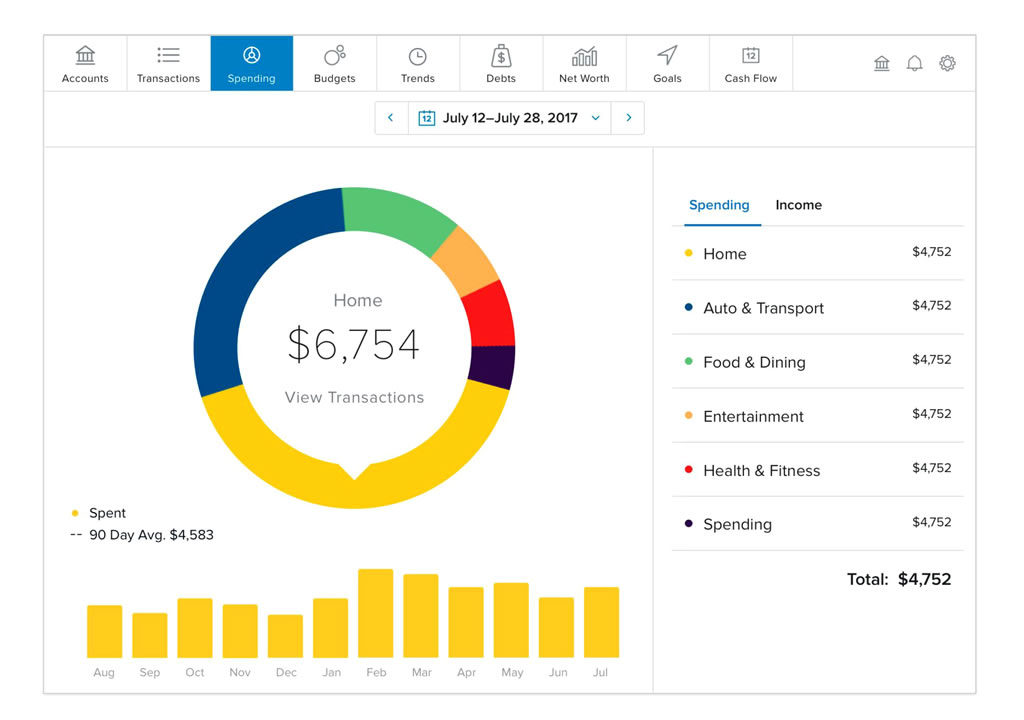
Credit: mymagnifi.org
Types Of Personal Finance Tools
Managing money wisely is crucial for achieving financial stability. Personal finance tools can help you track spending, save money, and invest wisely. These tools come in various forms, each designed to meet specific financial needs. Let’s explore some key types of personal finance tools.
Budgeting Apps
Budgeting apps are essential for maintaining a balanced financial life. They allow you to track your income, expenses, and savings in real time. Many of these apps offer features like:
- Expense Tracking: Categorize and monitor your spending habits.
- Financial Goal Setting: Set and achieve your financial targets.
- Cash Flow Analysis: Understand your inflows and outflows.
Some popular budgeting apps include:
| App Name | Key Features |
|---|---|
| Mint | Expense tracking, budget creation, financial goal setting |
| YNAB (You Need A Budget) | Personal budgeting tools, debt payoff strategies |
| EveryDollar | Zero-based budgeting, expense tracking |
Using these apps helps you stay on top of your finances, ensuring you spend within your means and save for the future.
Investment Trackers
Investment trackers help monitor your investments and analyze their performance. These tools are vital for anyone engaged in investment management. Key features include:
- Portfolio Management: Keep track of all your investments in one place.
- Performance Analysis: Evaluate the growth of your investments.
- Asset Allocation: Balance your investment portfolio.
Some widely used investment trackers are:
| Tool Name | Key Features |
|---|---|
| Personal Capital | Financial planning apps, portfolio management, asset allocation |
| Morningstar | Investment analysis, performance tracking |
| Yahoo Finance | Market news, investment tracking |
These tools help you make informed decisions, ensuring your investments align with your financial goals.
Debt Reduction Tools
Debt reduction tools assist in managing and paying off debts efficiently. They offer various features to help you become debt-free:
- Debt Payoff Strategies: Plan and prioritize your debt payments.
- Interest Calculators: Calculate and compare interest rates.
- Financial Planning: Develop a comprehensive plan for debt reduction.
Some effective debt reduction tools include:
| Tool Name | Key Features |
|---|---|
| Debt Payoff Planner | Debt payoff strategies, savings calculators |
| Tally | Debt management, interest tracking |
| Undebt.it | Customizable payoff plans, expense tracking |
Utilizing these tools can speed up your journey to becoming debt-free, giving you peace of mind and financial freedom.
Top Budgeting Apps
Managing personal finances can be challenging without the right tools. Budgeting apps make it easier to track expenses, set financial goals, and plan for the future. These money management applications help you stay on top of your finances by providing a clear picture of your income and spending patterns. Let’s dive into the top budgeting apps available today.
Features To Look For
Choosing the right budgeting app involves considering several key features. Here are some important aspects to keep in mind:
- Ease of Use: The app should have an intuitive interface that is easy to navigate.
- Expense Tracking: Look for apps that automatically track expenses by linking to your bank accounts.
- Financial Goal Trackers: An app that helps set and track financial goals can keep you motivated.
- Customization: The ability to customize categories and reports is crucial for personalized budgeting.
- Security: Ensure the app uses strong encryption to protect your financial data.
- Debt Reduction Tools: Features that help manage and reduce debt can be very beneficial.
- Investment Management Platforms: Some apps offer tools to monitor and manage investments.
- Savings Calculators: Calculators that help you plan for savings goals can be very useful.
- Retirement Planning Resources: Apps with resources for retirement planning can help you prepare for the future.
Below is a table summarizing these features:
| Feature | Description |
|---|---|
| Ease of Use | Intuitive and easy to navigate interface |
| Expense Tracking | Automatic tracking by linking to bank accounts |
| Financial Goal Trackers | Tools to set and track financial goals |
| Customization | Ability to customize categories and reports |
| Security | Strong encryption to protect data |
| Debt Reduction Tools | Features to manage and reduce debt |
| Investment Management Platforms | Monitor and manage investments |
| Savings Calculators | Plan for savings goals |
| Retirement Planning Resources | Resources for retirement planning |
Popular Options
Here are some of the most popular budgeting apps available today:
- Mint: This personal budgeting software offers a comprehensive view of your finances, including expense tracking, financial goal setting, and bill reminders.
- YNAB (You Need a Budget): Known for its proactive approach to budgeting, YNAB helps users allocate every dollar with a purpose.
- Personal Capital: This app provides powerful investment management platforms, along with budgeting and retirement planning resources.
- EveryDollar: Created by financial expert Dave Ramsey, EveryDollar focuses on zero-based budgeting to ensure every dollar is accounted for.
- Goodbudget: A simple yet effective app that uses the envelope budgeting method to help manage your money.
Here is a comparison of these popular options:
| App | Key Features |
|---|---|
| Mint | Expense tracking, financial goal setting, bill reminders |
| YNAB | Proactive budgeting, debt reduction tools |
| Personal Capital | Investment management, retirement planning resources |
| EveryDollar | Zero-based budgeting, simple interface |
| Goodbudget | Envelope budgeting method, easy to use |
Using these budgeting apps can simplify personal finance management, making it easier to reach your financial goals. Choose the one that best fits your needs and start taking control of your finances today.
Investment Tracking Solutions
Managing your finances effectively can be challenging. Personal finance tools offer various solutions to simplify this task. Among these tools, investment tracking solutions play a pivotal role. They help you stay on top of your investments, monitor their performance, and make informed decisions. With the right investment tracking solutions, you can achieve your financial goals and secure your future.
Choosing The Right Platform
Selecting the appropriate platform for investment tracking is crucial. There are several factors to consider to ensure you pick the right one. Here are some tips to help you make an informed choice:
- User-Friendliness: Ensure the platform is easy to navigate. You should be able to access information quickly without any hassle.
- Features: Look for features like budgeting apps, financial goal setting, and personal budgeting tools. These can provide comprehensive support for managing your finances.
- Integration: The platform should integrate with other financial planning software you use. This makes it easier to have a unified view of your finances.
- Security: Your financial data is sensitive. Make sure the platform uses robust security measures to protect your information.
Here’s a comparison of some popular investment tracking platforms:
| Platform | Key Features | Price |
|---|---|---|
| Platform A | Investment management, expense trackers, savings calculators | $10/month |
| Platform B | Debt reduction tools, cash flow analysis, wealth management platforms | $15/month |
| Platform C | Financial goal setting, personal budgeting tools, financial planning software | $20/month |
Monitoring Your Portfolio
Keeping an eye on your portfolio is essential to ensure your investments are on track. Here’s how you can effectively monitor your portfolio:
- Regular Updates: Check your portfolio regularly. This helps you stay informed about the performance of your investments.
- Performance Analysis: Use the platform’s tools to analyze the performance of your investments. Look for trends and patterns.
- Adjustments: Make necessary adjustments based on the analysis. This can involve reallocating assets or changing investment strategies.
- Notifications: Set up notifications for significant changes. This ensures you are alerted to any important developments.
Monitoring your portfolio can also help in identifying opportunities for growth. For instance, if a particular investment is performing well, you might consider increasing your stake in it. On the other hand, if an investment is underperforming, you might decide to reduce your exposure or exit it altogether.
By using the right investment tracking solutions, you can ensure that your portfolio remains aligned with your financial goals. This proactive approach can help you make informed decisions and achieve long-term financial success.
Debt Management Tools
Managing debt is a crucial part of personal finance. Using Debt Management Tools can make this process easier and more effective. These tools help track debt, set up payment plans, and calculate payoff dates. By incorporating Debt Management Software into your routine, you can stay on top of payments and work towards a debt-free future. Below, we explore two key components of debt management: calculating debt payoff and setting up payment plans.
Calculating Debt Payoff
Understanding when you will be debt-free is essential for effective financial planning. Loan Repayment Calculators are one of the most valuable Debt Management Tools. These calculators estimate how long it will take to pay off debt, based on your current balance, interest rate, and monthly payments.
Here are steps to use a loan repayment calculator:
- Enter your total debt amount
- Input the interest rate
- Add your monthly payment amount
- Calculate to see your payoff timeline
For more detailed planning, some calculators allow adjustments for extra payments. Making extra payments can significantly reduce your payoff time and total interest paid.
Consider this example:
| Debt Amount | Interest Rate | Monthly Payment | Payoff Time |
|---|---|---|---|
| $10,000 | 5% | $200 | 54 months |
Using the calculator helps in Financial Goal Setting and integrating it with Personal Budgeting Apps allows tracking your progress effectively. These tools are essential for maintaining a clear path towards financial freedom.
Setting Up Payment Plans
Creating a structured payment plan is vital for managing debt. Several Debt Management Software options can assist in setting up these plans. These tools help you prioritize debts, set due dates, and automate payments.
To set up a payment plan:
- List all your debts with balances and interest rates
- Determine your monthly budget for debt repayment
- Use Expense Tracking Applications to monitor spending
- Allocate payments to high-interest debts first (Avalanche method) or smallest debts first (Snowball method)
- Set up automatic payments through your bank or Debt Management Software
Automatic payments ensure you never miss a due date, protecting your Credit Score Monitoring. Some software also allows you to adjust payments as your financial situation changes, offering flexibility.
Here is a simple example of a payment plan:
| Debt Type | Balance | Interest Rate | Monthly Payment |
|---|---|---|---|
| Credit Card | $5,000 | 18% | $250 |
| Student Loan | $15,000 | 5% | $300 |
Integrating these payment plans with your Cash Flow Analysis and Investment Tracking Tools can provide a comprehensive view of your finances. This holistic approach ensures you stay on track towards achieving your financial goals.

Credit: www.quickanddirtytips.com
Benefits Of Using Personal Finance Tools
Personal Finance Tools are essential for managing your money effectively. These tools help you track expenses, create budgets, and plan for the future. Using Personal Finance Tools can lead to better financial health and peace of mind. They offer many benefits that can transform how you handle your finances.
Increased Financial Awareness
One of the main benefits of using Personal Finance Tools is increased financial awareness. Understanding where your money goes each month is crucial. Tools like Expense Tracking and Budgeting Apps make this easy.
- Track every penny spent
- Identify unnecessary expenses
- Monitor spending habits
These tools provide detailed reports and visual charts. You can see exactly how much you spend on groceries, entertainment, or transportation. This information is invaluable for making informed decisions about your money.
For example, Cash Flow Management tools help you understand the flow of your income and expenses. You can see if you are living within your means or overspending. This awareness can lead to significant savings over time.
| Tool | Function |
|---|---|
| Expense Tracking | Monitors daily spending |
| Budgeting Apps | Creates and tracks budgets |
| Cash Flow Management | Analyzes income vs. expenses |
Using these tools can also improve your financial literacy. Understanding financial terms and concepts is easier when you see them in action. Financial Literacy Resources often come integrated with these tools, providing educational content to help you learn more about money management.
Better Decision Making
Another significant benefit of Personal Finance Tools is better decision making. With accurate financial data at your fingertips, you can make informed choices about your finances.
For instance, Financial Planning Software helps you plan for major life events. This could be buying a house, saving for college, or retirement planning. Knowing your financial status helps you set realistic goals and achieve them.
Additionally, Investment Analysis Tools can guide your investment choices. These tools analyze market trends and provide insights. You can make smarter investment decisions and grow your wealth over time.
Here are some decisions you can make better with these tools:
- Setting and sticking to a personal budget
- Choosing the best debt reduction strategies
- Identifying the most lucrative savings accounts
- Determining appropriate investment options
Furthermore, Money Management Tools offer Savings Calculators that help you see the potential growth of your savings over time. These calculators consider interest rates and other factors, showing you how much you can save.
By using these tools, you can also develop strategies for reducing debt. Understanding your financial situation allows you to prioritize high-interest debts and pay them off faster.
Overall, Personal Finance Tools empower you to take control of your finances. They provide the data and insights needed to make smarter financial decisions.
Common Mistakes To Avoid
Personal finance tools are invaluable for managing money effectively. Investment Calculators, Financial Management Software, and Budgeting Spreadsheets help you achieve financial goals. Yet, many make common mistakes while using these tools. Avoiding these pitfalls ensures you get the most out of your financial resources. Let’s explore some common mistakes to avoid.
Ignoring Updates
Keeping your financial tools updated is crucial. Regular updates improve functionality and security. Ignoring updates can lead to several issues:
- Outdated Features: Missing out on new features can hinder your financial management. For instance, updated Expense Tracking Tools often include better categorization options.
- Security Risks: Older versions are more prone to security breaches. Updated Financial Management Software includes enhanced security protocols to protect sensitive data.
- Compatibility Issues: New updates ensure compatibility with other tools and systems. Using an outdated Savings Planner might not sync with your Personal Budgeting Apps.
Consider this table for a better understanding:
| Tool | Benefit of Update |
|---|---|
| Investment Calculators | Includes latest market data |
| Financial Management Software | Enhanced security features |
| Budgeting Spreadsheets | Improved usability and templates |
Regularly check for updates. Set reminders if needed. Updating tools ensures they work efficiently and securely.
Overcomplicating Finances
Simplicity is key in financial management. Overcomplicating finances leads to confusion and errors. Here are some common ways people overcomplicate finances:
- Too Many Tools: Using multiple tools for the same task can be overwhelming. Stick to one or two reliable Financial Management Software options.
- Excessive Categories: While categorizing expenses is essential, too many categories can be confusing. Use broad categories in your Budgeting Spreadsheets for clarity.
- Complex Calculations: Overly detailed Cash Flow Analysis can be daunting. Focus on key metrics that matter most.
Simplify your approach with these tips:
- Consolidate Tools: Choose all-in-one Money Management Resources. These tools combine budgeting, tracking, and planning features.
- Limit Categories: Use main categories like housing, transportation, and food. This makes tracking easier.
- Focus on Goals: Use Savings Planners and Debt Reduction Strategies that align with your financial goals. This keeps your focus clear and actionable.
Overcomplicating finances can make managing money stressful. Simplify for better results and peace of mind.
Future Of Personal Finance Tools
Personal finance tools have evolved significantly. They help people manage money, track expenses, and plan for the future. As technology advances, these tools become more sophisticated. They offer more features and better user experiences. Let’s explore the future of personal finance tools.
Emerging Technologies
Emerging technologies are reshaping personal finance tools. These technologies make it easier to manage money. They also offer more personalized experiences.
Artificial Intelligence (AI) plays a significant role. AI-powered Budgeting Apps analyze spending habits. They provide tailored advice to save money. They also automate routine tasks, like bill payments.
Blockchain Technology ensures secure transactions. It offers transparency. Online Banking Features using blockchain are more secure. This increases trust in digital finance.
Machine Learning helps in Investment Management Platforms. It predicts market trends. It also suggests investment opportunities. This helps users make informed decisions.
These technologies offer many benefits:
- Personalized financial advice
- Increased security
- Automated financial tasks
- Better investment insights
New technologies continue to emerge. They will further enhance personal finance tools. This will make managing money easier and more efficient.
Trends To Watch
Several trends are shaping the future of personal finance tools. These trends focus on user experience and accessibility.
Mobile Finance Applications are becoming more popular. They offer convenience. Users can manage their finances on the go. They provide features like Expense Tracking Tools and Savings Calculators.
Financial Literacy Resources are also on the rise. These resources help users understand financial concepts. They offer tutorials and articles. This improves financial literacy.
Debt Management Solutions are gaining attention. They help users manage and reduce debt. These tools offer repayment plans and track progress.
Financial Planning Software is becoming more user-friendly. It helps users set and achieve financial goals. These tools provide comprehensive financial planning.
Here are some key trends to watch:
- Increased use of mobile apps
- Focus on financial education
- Advanced debt management tools
- Improved financial planning features
These trends show a shift towards better user experiences. They make personal finance tools more accessible and effective. This helps users take control of their finances.

Credit: fastercapital.com
Frequently Asked Questions
What Are Personal Finance Tools?
Personal finance tools help manage money, budget, and track expenses. They include apps, software, and online platforms. These tools provide insights into spending habits, savings, and investments. They aim to improve financial well-being.
How Do Budgeting Apps Work?
Budgeting apps track income and expenses. Users input financial data, set budgets, and monitor spending. These apps categorize transactions, offer financial insights, and send alerts for budget limits.
Are Personal Finance Tools Secure?
Most personal finance tools use encryption to protect data. They adhere to strict security standards. Always choose reputable tools and enable two-factor authentication.
Can Finance Tools Help With Debt?
Yes, personal finance tools can help manage and reduce debt. They track payments, calculate interest, and create repayment plans. These tools also provide reminders for due dates.
Conclusion
Personal finance tools can simplify managing your money. They help track expenses. Budgeting becomes easy and efficient. Savings goals feel more achievable. Debt management improves significantly. These tools offer clear insights into your financial health. Make smarter financial decisions. Use these tools to gain control over your finances.
Start exploring the best options today. Financial freedom is within reach. Remember, small steps lead to big changes. Your journey to better finances starts now.